
Placas filtrantes son los componentes de trabajo principales de un filtro prensa. Determinan cómo ingresa la lechada a la prensa, cómo se retienen los sólidos, cómo se descarga el filtrado y qué tan seca puede llegar a ser la torta de filtración final. Aunque las placas filtrantes pueden parecer similares desde el exterior, diferentes diseños de placas pueden dar lugar a resultados de filtración muy diferentes. Para compradores, ingenieros y operadores de plantas, comprender los principales tipos de placas filtrantes es el primer paso para elegir la solución adecuada para el tratamiento de aguas residuales, minería, procesamiento químico, producción de alimentos y otras aplicaciones de filtración industrial.
En general, las placas filtrantes se pueden clasificar por estructura, función de compresión, método de sellado, material y requisitos de personalización. Los tipos más comunes incluyen placas de filtro de cámara empotrada, placas de filtro de membrana, placas de filtro de placa y marco, placas de filtro CGR, placas con y sin juntas, placas de filtro de PP, placas de membrana de caucho y placas de filtro personalizadas. Cada tipo tiene sus propias ventajas y está diseñado para diferentes condiciones de funcionamiento.
Placas de filtro de cámara empotradas
Las placas filtrantes de cámara empotrada son uno de los tipos más utilizados en los filtros prensa modernos. Cada placa tiene un área rebajada en ambos lados. Cuando dos placas se presionan juntas, estas áreas rebajadas forman una cámara donde entra la lechada y se acumulan los sólidos. A medida que continúa la filtración, el líquido pasa a través de la tela filtrante y la superficie de drenaje, mientras que los sólidos permanecen dentro de la cámara para formar una torta de filtración.
La principal ventaja de las placas de cámara empotradas es su estructura sencilla y fiable. Son adecuados para muchos procesos estándar de separación sólido-líquido, incluida la deshidratación de lodos municipales, el tratamiento de aguas residuales industriales, los relaves mineros, la filtración de lodos químicos y la filtración de procesos generales. En comparación con los diseños de placas y marcos más antiguos, las placas de cámara empotradas son más fáciles de operar y generalmente brindan una mejor estabilidad bajo presión.
Sin embargo, las placas de cámara empotradas tienen un volumen de cámara fijo. Una vez llena la cámara, se debe detener el ciclo de filtración y descargar la torta. Para materiales que son difíciles de deshidratar, la humedad final de la torta puede ser mayor que la que puede lograr una placa de membrana. Por lo tanto, las placas de filtro de cámara empotrada a menudo se seleccionan cuando el proceso requiere un rendimiento estable, una sequedad moderada de la torta y una operación rentable.
Longone suministra placas filtrantes de cámara empotrada en diferentes tamaños, profundidades de cámara, posiciones de alimentación, diseños de descarga y materiales. Para muchos clientes que reemplazan placas de filtro antiguas, las placas de cámara empotradas suelen ser la primera opción a considerar porque son ampliamente compatibles con diferentes sistemas de filtro prensa.
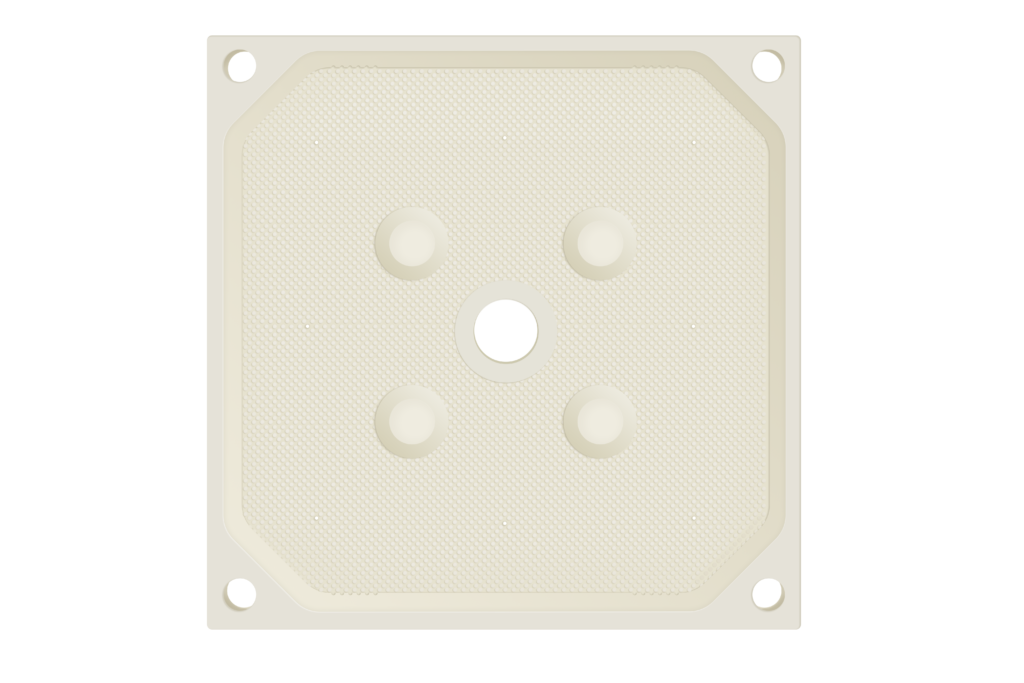
Placas de filtro de membrana
Las placas de filtro de membrana, también conocidas como placas de filtro de diafragma, están diseñadas para aplicaciones que requieren menor humedad de la torta y ciclos de filtración más cortos. A diferencia de las placas empotradas estándar, las placas de membrana incluyen un diafragma o membrana flexible en la superficie de filtración. Después de la etapa inicial de alimentación y filtración, se introduce aire comprimido o agua detrás de la membrana. La membrana se expande y comprime la torta de filtración, expulsando líquido adicional.
Este proceso de exprimido secundario es la razón principal por la que las placas filtrantes de membrana se utilizan en aplicaciones de deshidratación más exigentes. Pueden ayudar a reducir la humedad de la torta, mejorar la eficiencia de la filtración, acortar el tiempo del ciclo y aumentar la capacidad de producción general. En algunas industrias, una torta más seca significa menores costos de transporte, eliminación más fácil, mejor recuperación del producto o mejor procesamiento posterior.
Las placas de membrana se utilizan comúnmente en el tratamiento de lodos de aguas residuales, minería y procesamiento de minerales, producción química, procesamiento de alimentos y aplicaciones donde los sólidos filtrados todavía contienen materiales valiosos. Son especialmente útiles cuando es difícil deshidratar la suspensión mediante filtración a presión únicamente.
La principal limitación es que las placas de membrana suelen costar más que las placas de cámara estándar. También requieren un control de presión adecuado y una selección adecuada del material de la membrana. Si la membrana se expone a una presión excesiva, a productos químicos incompatibles o a un funcionamiento inadecuado, su vida útil puede acortarse. Por lo tanto, los compradores deben considerar la presión de operación, las características de la lechada, la resistencia química, la temperatura y los requisitos de mantenimiento antes de elegir las placas de membrana.
Longone ofrece placas filtrantes de membrana y placas de membrana de caucho para diferentes condiciones industriales. Dependiendo del proceso, las placas se pueden personalizar en tamaño, material, diseño de membrana, posición del orificio de alimentación y estructura de sellado.
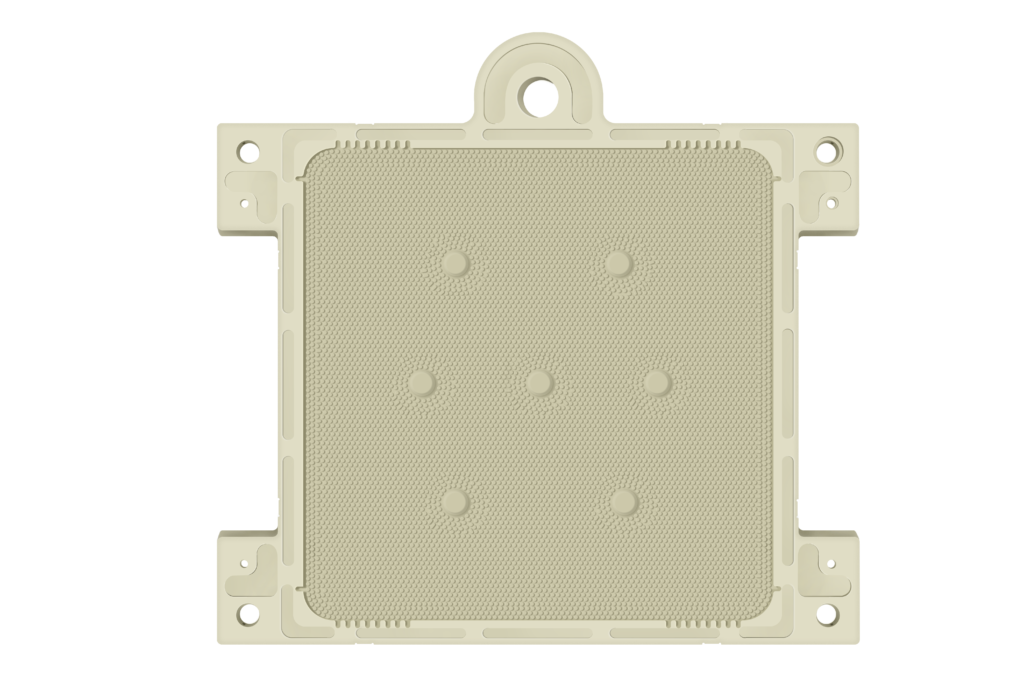
Placas filtrantes de placa y marco
Las placas de filtro de placa y marco son un diseño de filtro prensa tradicional. En esta estructura se disponen alternativamente placas y marcos. El marco crea el espacio de la cámara para contener sólidos, mientras que la placa sostiene la tela filtrante y permite el paso del filtrado. Este diseño se usó ampliamente en sistemas de filtro prensa anteriores y todavía se usa en algunos procesos de filtración específicos en la actualidad.
La ventaja de las placas filtrantes de placas y marcos es la flexibilidad. Se pueden utilizar diferentes espesores de marco para crear diferentes espesores de pastel. Esto puede ser útil en aplicaciones donde el proceso requiere un volumen de torta especial o donde el equipo existente fue diseñado originalmente para la operación de placas y marcos.
Sin embargo, en comparación con las placas de cámara empotradas, los sistemas de placas y marcos suelen tener más componentes, lo que puede aumentar el trabajo de manipulación, mantenimiento e instalación de la tela. Para muchos filtros prensa industriales modernos, las placas de cámara empotradas se han vuelto más comunes debido a su diseño de cámara integrada y su operación más simple.
Longone puede suministrar placas filtrantes de placa y marco para proyectos de filtro prensa personalizados, de reemplazo o mantenimiento. Para los clientes que operan equipos más antiguos, proporcionar el tamaño de la placa, el grosor del marco, la posición de alimentación y fotografías o dibujos puede ayudar a confirmar el diseño de reemplazo correcto.
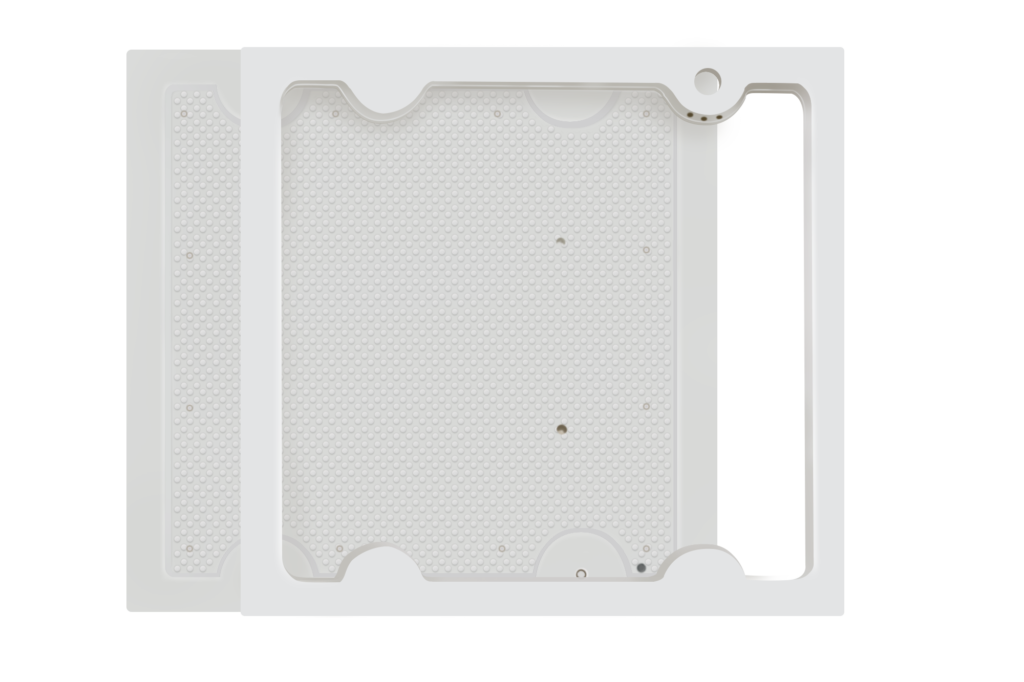
Placas de filtro CGR
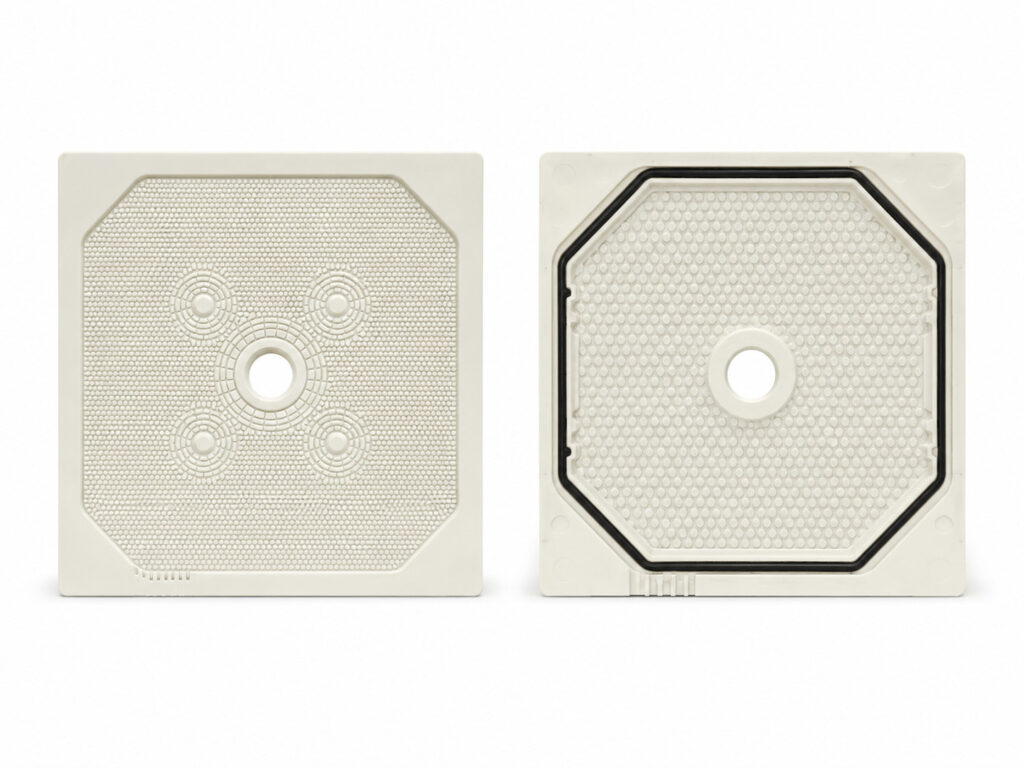
Las placas de filtro CGR están calafateadas, empaquetadas y empotradas. Son un tipo especial de placa de cámara empotrada con una junta instalada alrededor de la superficie de sellado. El propósito de la junta es crear un sello más hermético entre placas adyacentes y reducir las fugas durante la filtración.
Las placas CGR son especialmente útiles cuando el control de fugas es importante. En algunas aplicaciones, incluso un pequeño goteo entre placas puede provocar contaminación en el lugar de trabajo, pérdida de producto, problemas de seguridad o trabajos de limpieza adicionales. Para la filtración química, el procesamiento de alimentos, la filtración relacionada con productos farmacéuticos, el manejo de lodos corrosivos y el tratamiento limpio de aguas residuales, las placas CGR pueden proporcionar un proceso de filtración más limpio y controlado.
En comparación con las placas empotradas sin juntas, las placas CGR generalmente requieren más atención durante la instalación de la tela y el mantenimiento de las juntas. El material de la junta también debe coincidir con las condiciones de operación y lodo. Los materiales de juntas comunes incluyen EPDM, NBR, neopreno y FKM/Viton, según la compatibilidad química, la temperatura y los requisitos de sellado.
Longone ofrece placas filtrantes CGR con estructuras de sellado personalizadas y opciones de juntas. Para los clientes que necesitan fugas casi nulas, una mejor limpieza del filtrado o un mejor control del entorno de trabajo, las placas filtrantes CGR suelen ser una buena opción.
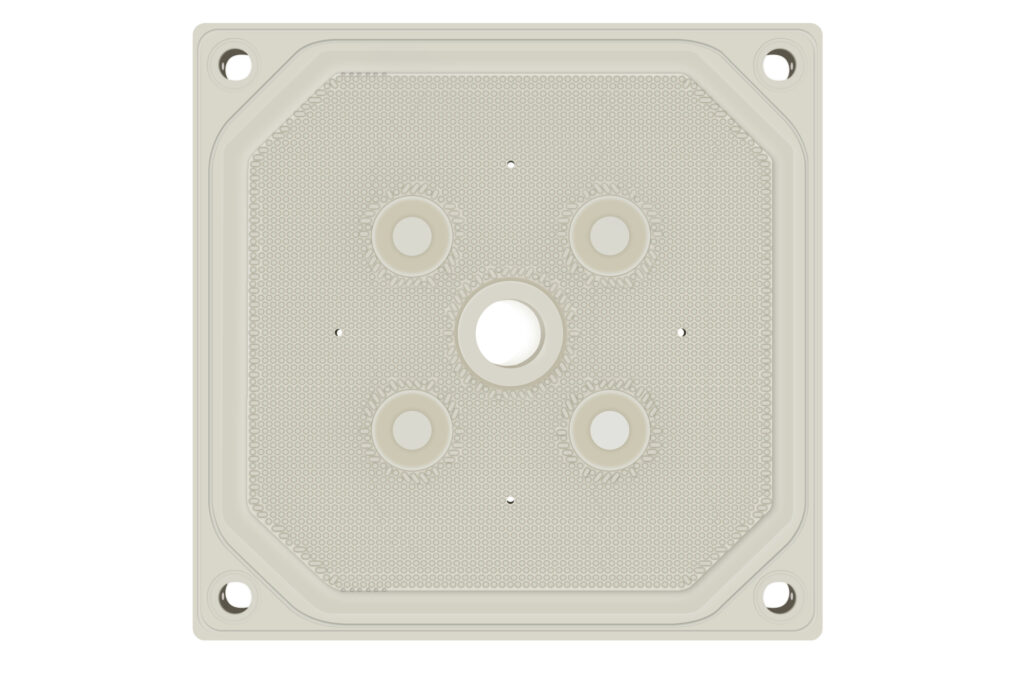
Placas filtrantes con junta versus sin junta
Además de los principales tipos estructurales, las placas filtrantes también se pueden dividir en diseños con y sin junta. Las placas con juntas utilizan una junta de sellado alrededor del área de filtración, mientras que las placas sin juntas dependen principalmente del contacto entre placas y de la instalación de tela filtrante.
Las placas con juntas son adecuadas para aplicaciones donde el control de fugas, el funcionamiento limpio y la contención de filtrado son importantes. A menudo se utilizan con diseños CGR. Las placas sin juntas son más simples y pueden permitir un reemplazo más rápido de la tela, lo que las hace adecuadas para operaciones donde es aceptable una pequeña mecha o goteo y la velocidad de mantenimiento es más importante.
La elección depende del entorno de trabajo, las propiedades de la lechada, los requisitos de limpieza y las preferencias de mantenimiento. Una planta química, por ejemplo, puede preferir placas con juntas, mientras que un proceso general de deshidratación de lodos puede utilizar placas de cámara empotradas sin juntas.
Materiales de la placa filtrante
La selección del material es tan importante como el tipo de placa. El polipropileno, o PP, es uno de los materiales más comunes para las placas de filtros prensa porque es liviano, resistente a la corrosión y adecuado para muchas aplicaciones industriales. El PP reforzado con fibra de vidrio puede proporcionar mayor resistencia y mejor estabilidad en condiciones exigentes. El PVDF suele seleccionarse para entornos químicos más agresivos. Las placas de acero inoxidable y hierro fundido se pueden utilizar en aplicaciones especiales de alta temperatura, alta presión o aplicaciones pesadas.
Longone ofrece placas filtrantes de PP y otras opciones de materiales para diferentes industrias. Al elegir un material, los compradores deben considerar el pH, la temperatura, la presión, la composición química, el ciclo de filtración y la vida útil esperada de la lechada.
Placas filtrantes personalizadas
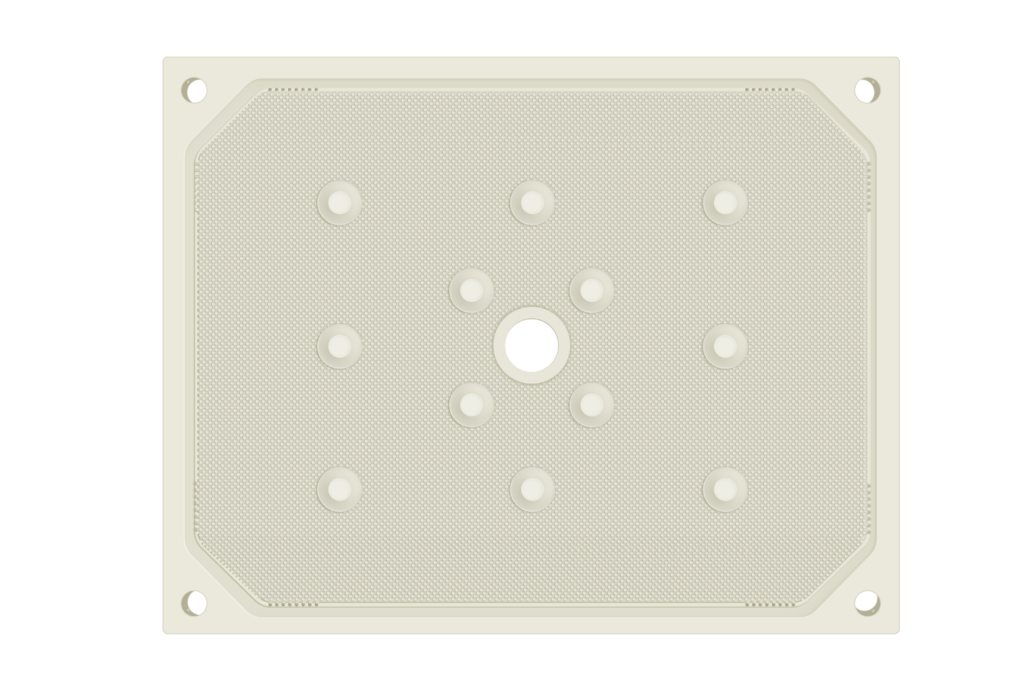
No todos los filtros prensa utilizan una placa estándar. Muchos clientes necesitan placas de filtro personalizadas porque reemplazan placas de un filtro prensa antiguo, combinan una marca específica, cambian el espesor de la torta, modifican la posición de alimentación o mejoran la superficie de drenaje.
Para obtener una cotización de placa de filtro personalizada, los compradores deben preparar información clave como tamaño de placa, espesor de placa, profundidad de la cámara, posición del orificio de alimentación, tipo de descarga de filtrado, presión de funcionamiento, temperatura de funcionamiento, requisitos de material, tipo de junta y fotografías o dibujos de la placa existente. Cuanto más precisa sea la información, más fácil será producir una placa de repuesto compatible.
Longone fabrica placas filtrantes personalizadas para diferentes sistemas de filtro prensa. Las opciones disponibles incluyen placas de cámara empotradas, placas de membrana, placas CGR, placas de placa y marco, placas de PP, placas de membrana de caucho y placas de filtro de tamaño especial. Longone puede admitir tamaños estándar y personalizados, diferentes profundidades de cámara, diseños de alimentación central o de esquina, descarga de filtrado abierta o cerrada y estructuras de sellado con o sin juntas.
Cómo elegir la placa de filtro adecuada
No existe un mejor tipo de placa filtrante. La elección correcta depende del proceso de filtración real. Para la deshidratación general de lodos y la separación sólido-líquido, las placas filtrantes de cámara empotrada suelen ser una opción confiable y económica. Para una menor humedad de la torta y una mayor eficiencia, las placas filtrantes de membrana suelen ser más adecuadas. Para aplicaciones sensibles a fugas, se debe considerar CGR o placas con juntas. Para equipos más antiguos o requisitos de filtración especiales, es posible que se requiera placa y marco o placas de filtro personalizadas.
Antes de comprar placas de filtro, es importante revisar las características de la lechada, la presión de operación, la temperatura, la compatibilidad química, el requisito de sequedad de la torta, el método de mantenimiento y el modelo de filtro prensa. Una placa filtrante seleccionada correctamente puede mejorar el rendimiento de la filtración, reducir el tiempo de inactividad, extender la vida útil y reducir el costo operativo total.
Si está reemplazando placas de filtro prensa o seleccionando placas para un nuevo proyecto de filtración, longone puede ayudar a confirmar el tipo de placa, el material, el diseño de sellado y las dimensiones adecuados según sus condiciones de trabajo. Con una gama completa de cámaras, membranas, CGR, placas y marcos, PP, membranas de caucho y placas filtrantes personalizadas, Longone ofrece soluciones prácticas para aplicaciones de filtración industrial en todo el mundo.