
What Is Filter Cake? Formation, Properties, and the Factors That Control Cake Quality
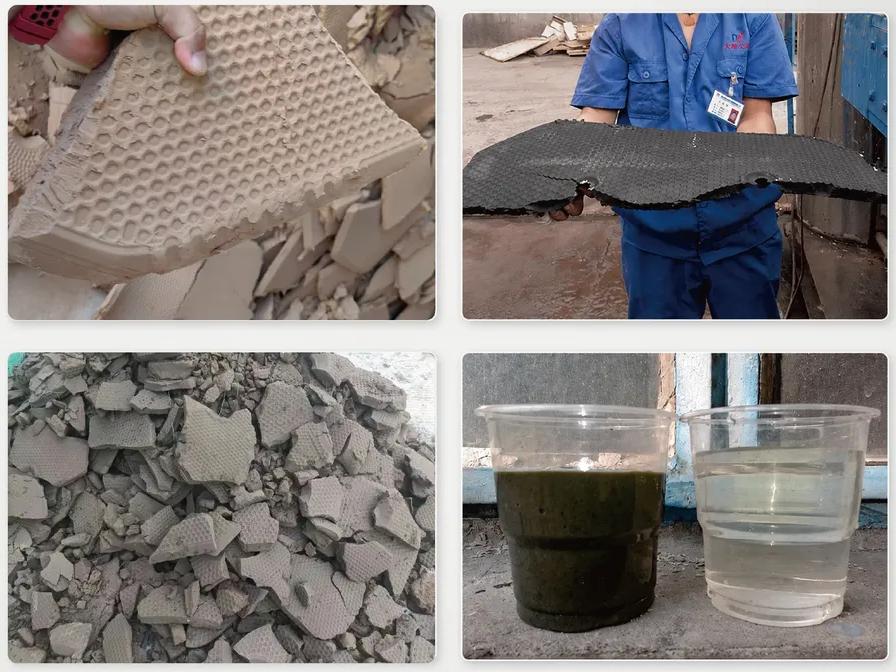
Every tonne of wet cake that leaves a filter press carries a cost: transport, landfill fees, drying energy, or lost product. For most operators, the moisture left in the cake is the single number that decides whether a filtration process is economical. Understanding what filter cake is, and what shapes it, is the first step […]
Membrane Filter Plate: Feed Types, Sizes and Selection Guide
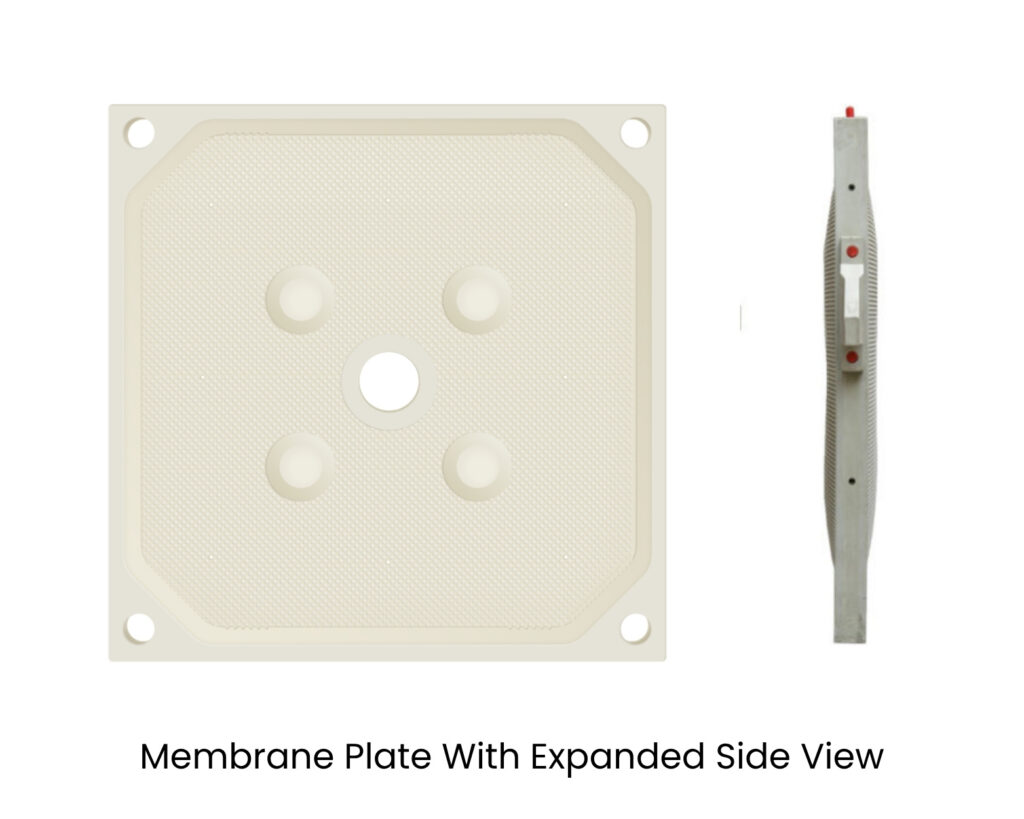
If your filter cake leaves the press wetter than your disposal budget can handle, or cycle times keep growing as throughput increases, the problem is often not the press itself. It is the plate. In many plants, switching from standard chamber plates to membrane filter plates is the single change that lowers cake moisture without […]
Laboratory Filter Press: A Practical Guide to Small-Scale Filtration Testing
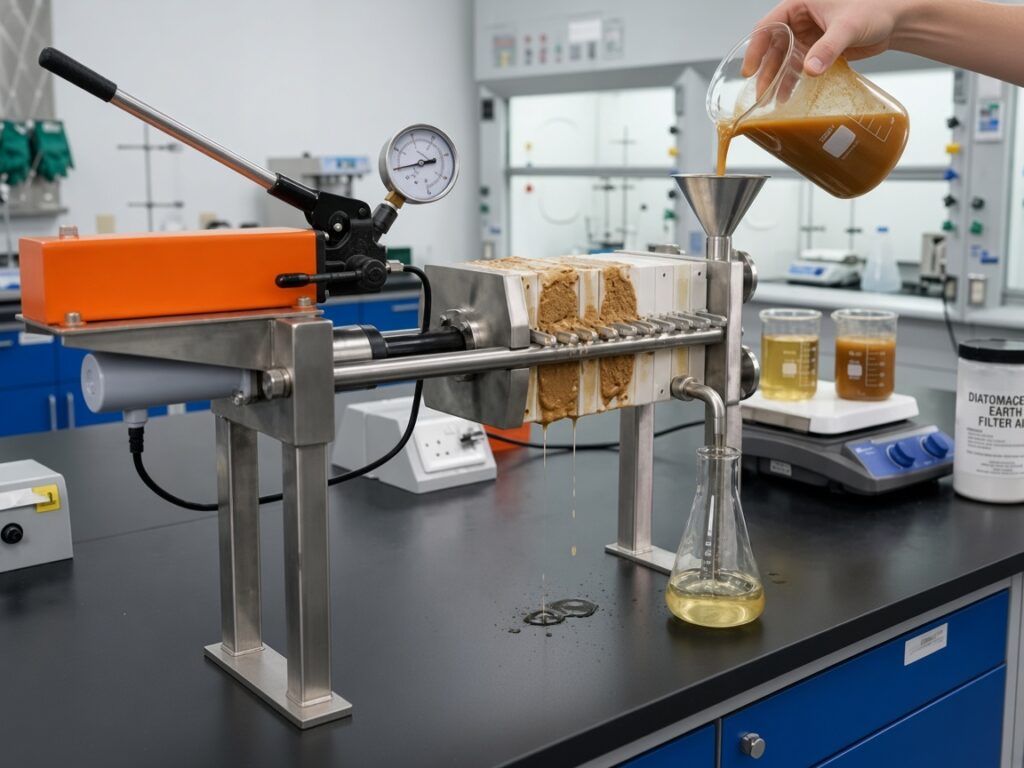
When a new formulation or process is still under development, running trials on a full-size industrial press is rarely practical. It consumes too much material, takes too much time, and makes comparison testing expensive. A laboratory filter press solves this problem. It lets R&D teams test a small slurry sample under conditions that closely reflect […]
Plate & Frame Filter Press for Wastewater Treatment: Applications and Sizing
Most filter press projects start with the same question: “How much sludge do we produce per day?” It sounds reasonable, and it is the reason so many presses end up undersized, oversized, or quoted twice. Wet sludge volume is only the starting point. The numbers that actually decide the machine are the dry solids you […]
Polypropylene Filter Plates: Why PP Is the Industry Standard
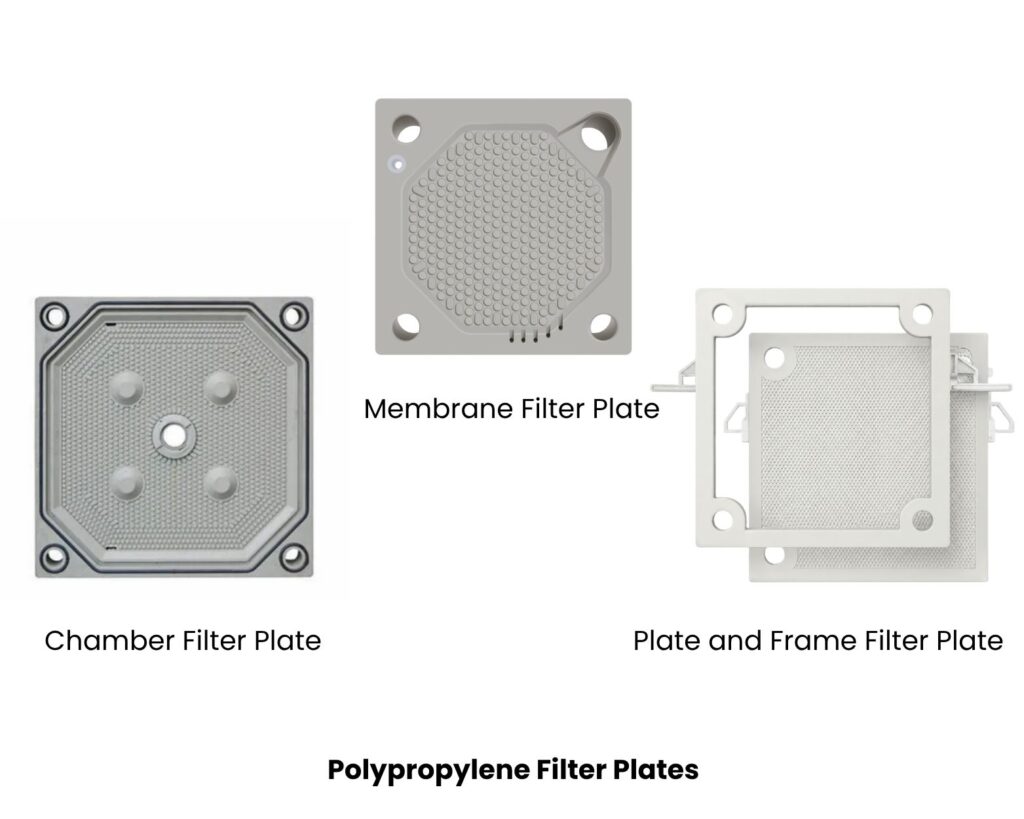
When a filter press plate cracks mid-cycle, the cost is rarely just the plate. Slurry leaks onto the floor, the cake discharge stops, the line goes down, and someone has to explain to the plant manager why a component that looked identical to the last batch failed in weeks instead of years. Most of these […]
What Is a Plate and Frame Filter Press? Working Principle, Components and Applications
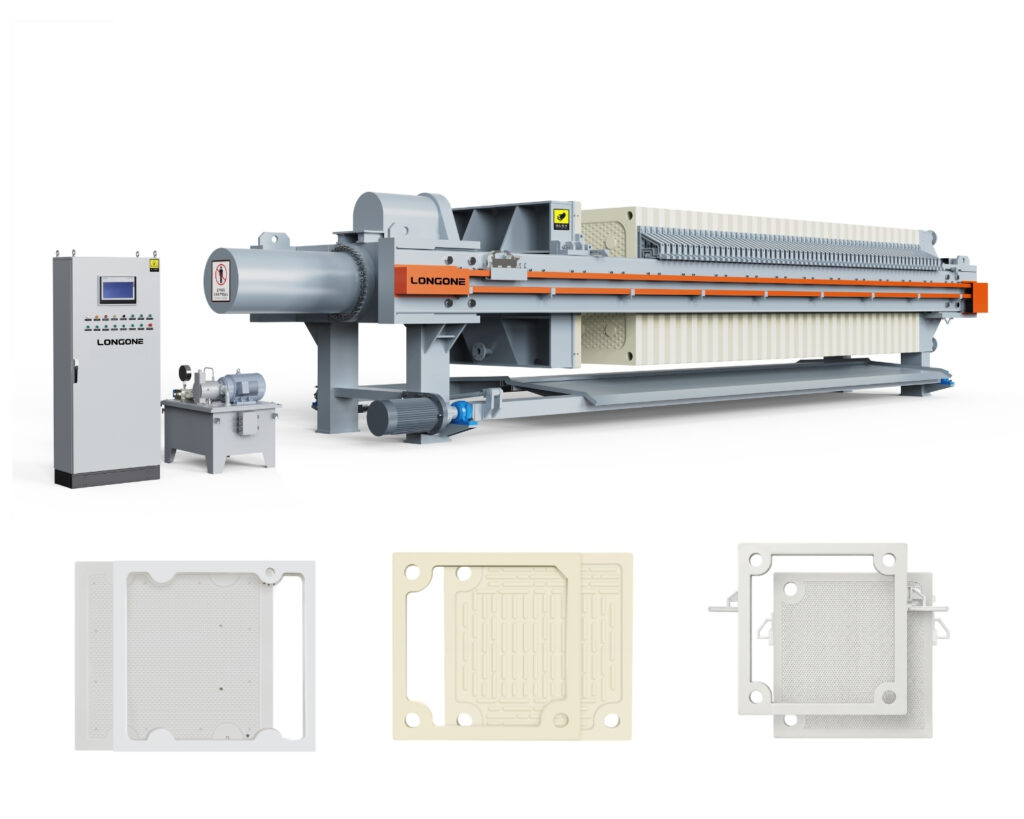
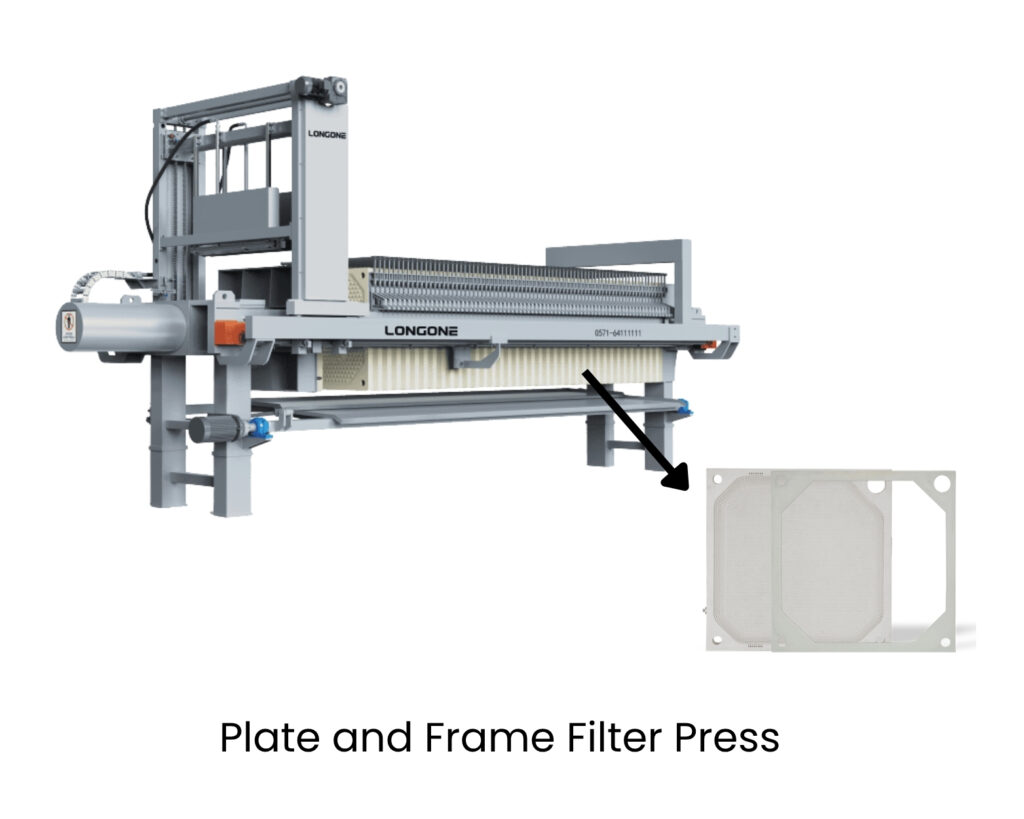
Choosing a filter press starts with one structural question: how is the filtration chamber formed? Many buyers use “plate and frame” as a general name for any filter press, but it describes one specific design, and picking the wrong design can affect cake dryness, labor cost and operating pressure for years. This guide explains what […]
Plate and Frame Filter Plates: Complete Guide
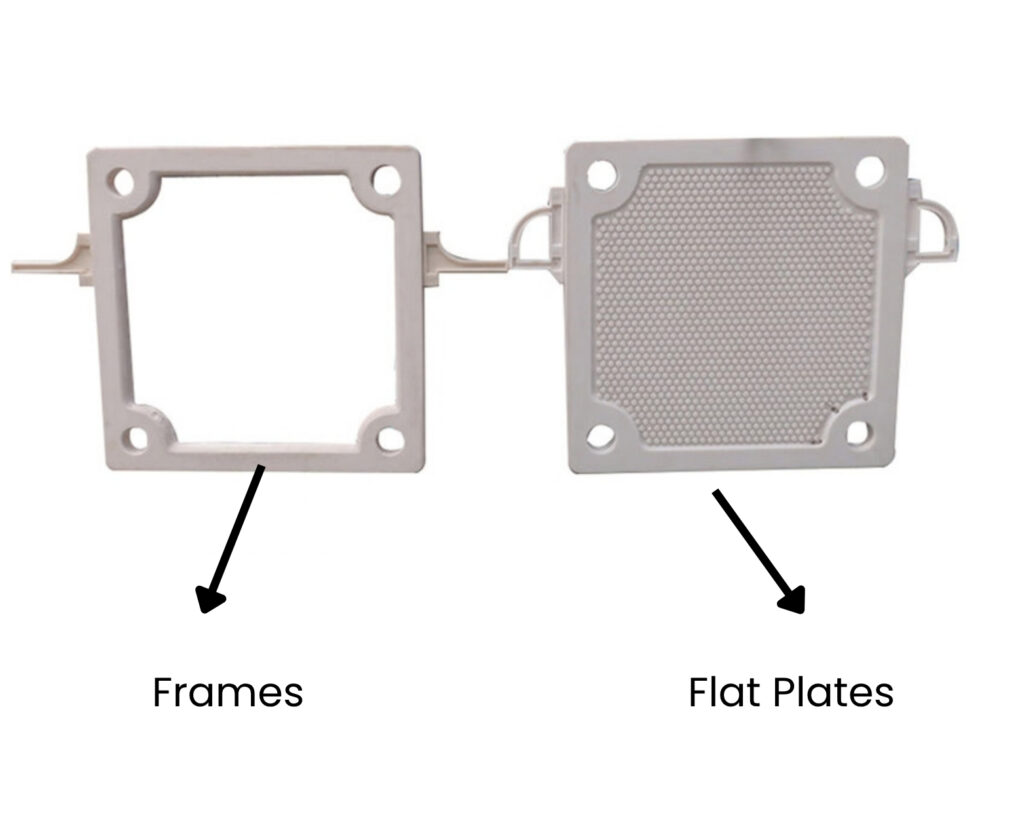
A plant orders replacement plates for its filter press, and the new set leaks at the first cycle. Or a buyer specifies “plate and frame” because a supplier used the term, then finds the cake far wetter than expected. Both problems usually trace back to one issue: plate and frame filter plates are a distinct […]
Center Feed vs Corner Feed Filter Plates: How to Choose the Right Design
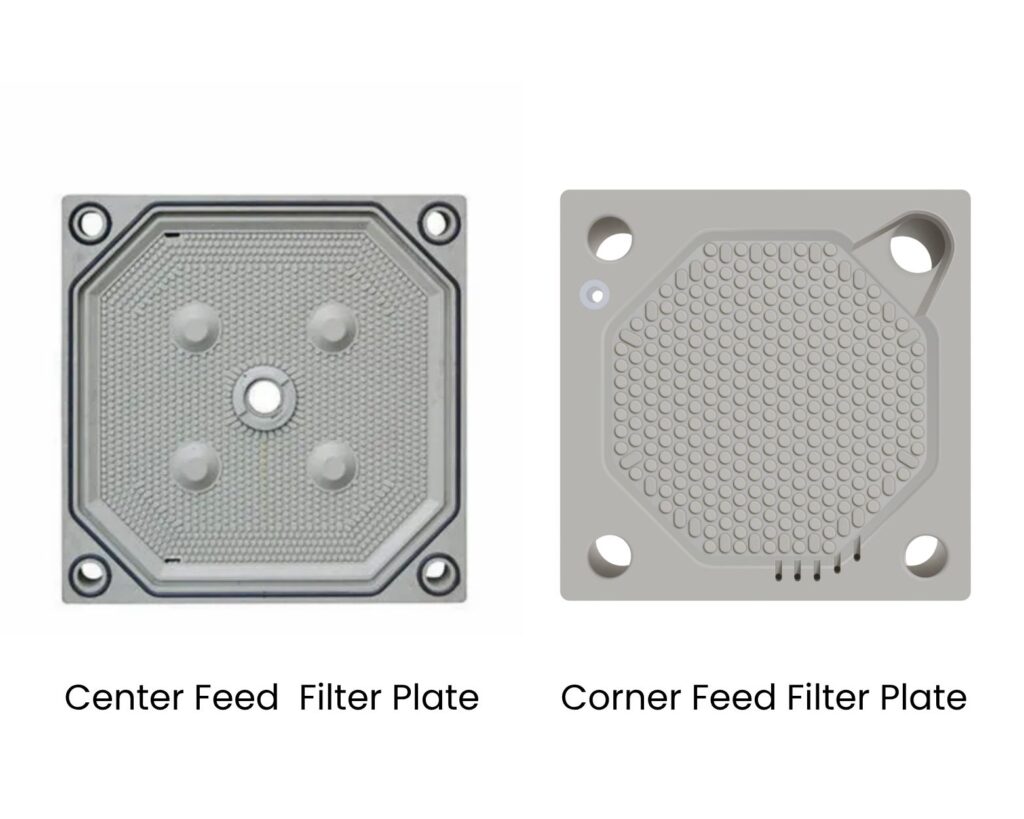
A filter press crew opens the plates, and one cloth has worn through around the feed eye again. Another line down the hall takes twice as long to change cloths as planned. Both problems often trace back to the same decision made years earlier: where the slurry enters the filter plate. Feed position looks like […]
Filter Plate Sizes Explained: Standard Dimensions from 500 mm to 2000 mm
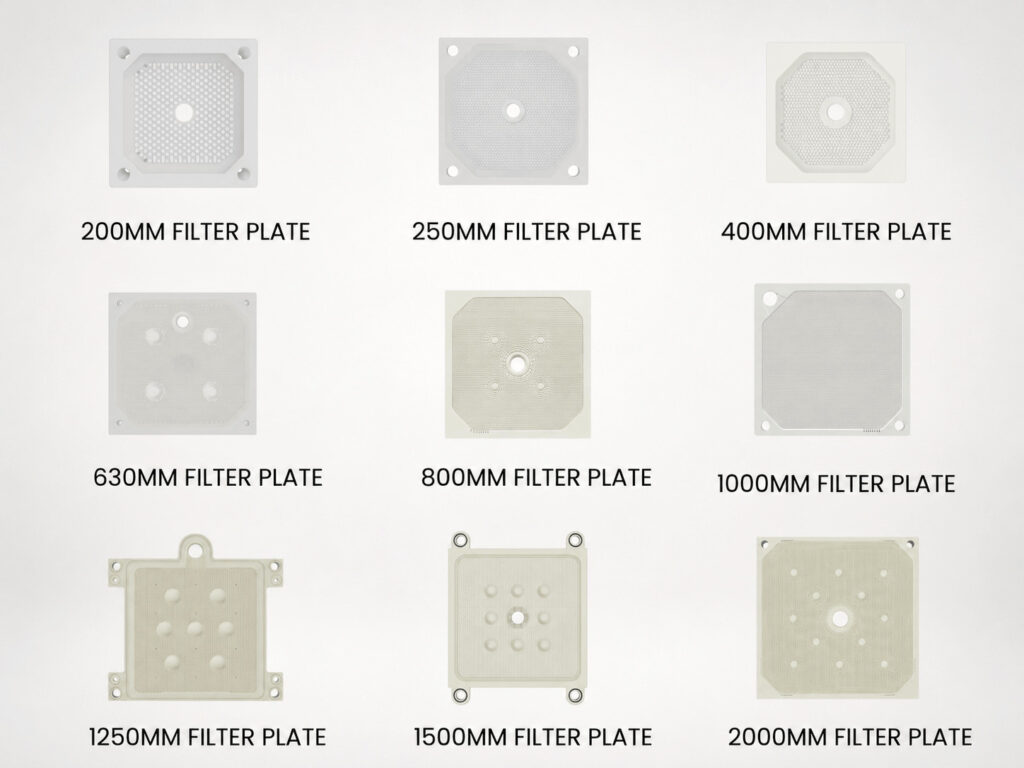
Ordering a filter plate that is a few centimeters off is one of the most expensive small mistakes in solid-liquid separation. The plate does not seat properly, the feed eye does not line up, or the press ends up too small for the slurry volume it was meant to handle. Most of these problems begin […]
Recessed Chamber Filter Plates: How They Work and When to Use Them
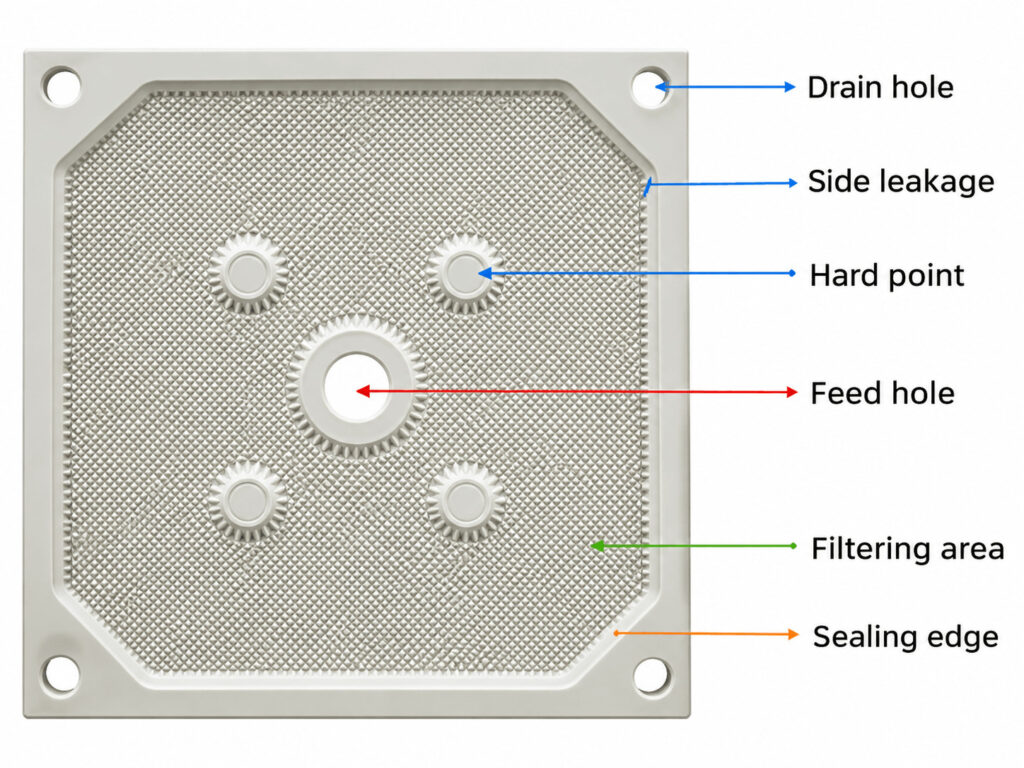
Choosing the wrong filter plate rarely fails on day one. It fails slowly: cake that stays wetter than your disposal budget allows, cycles that run longer than the shift plan, or plates that crack at the feed eye after a few months. By then the price difference between two plate types looks small next to […]