
Если вы когда-либо видели фильтр-пресс, работающий на очистных сооружениях, шахтах, химических заводах или предприятиях пищевой промышленности, то большие прямоугольные компоненты, сложенные внутри машины, представляют собой фильтрующие пластины. Они могут выглядеть простыми, но являются одними из самых важных частей всей системы фильтрации.
Так, что такое фильтрующие пластины, и почему они так важны?
Фильтровальные пластины представляют собой конструктивные элементы фильтрации, установленные внутри фильтр-пресса. Вместе с фильтровальной тканью они образуют камеры, в которых пульпа разделяется на твердую фильтровальную корку и жидкий фильтрат. Помимо простого удержания фильтровальной ткани, фильтрующая пластина должна выдерживать фильтрующее давление, распределять шлам, обеспечивать дренажные каналы, образовывать надежную уплотняющую поверхность и обеспечивать эффективную разгрузку осадка.
Конструкция фильтровальной пластины может напрямую влиять на время цикла фильтрации, толщину осадка, конечную влажность осадка, прозрачность фильтрата, утечку, производительность, требования к техническому обслуживанию и общие эксплуатационные расходы фильтр-пресса.
В этом руководстве объясняется, как работают фильтрующие пластины, основные типы фильтрующих пластин, распространенные материалы, конструктивные факторы, влияющие на производительность, а также как выбрать правильную пластину для промышленной фильтрации.
Что такое фильтрующие пластины и как они работают?
Фильтровальная пластина представляет собой формованную или обработанную пластину, установленную вертикально внутри фильтр-пресса. Несколько пластин расположены вместе, образуя пакет пластин. Фильтровальная ткань надевается на фильтрующие поверхности пластин или прикрепляется к ним.
Когда фильтр-пресс закрывается, соседние пластины создают закрытые фильтрационные камеры. Затем шламовый насос нагнетает жидко-твердую смесь в эти камеры под давлением.
Процесс фильтрации обычно происходит в несколько этапов:
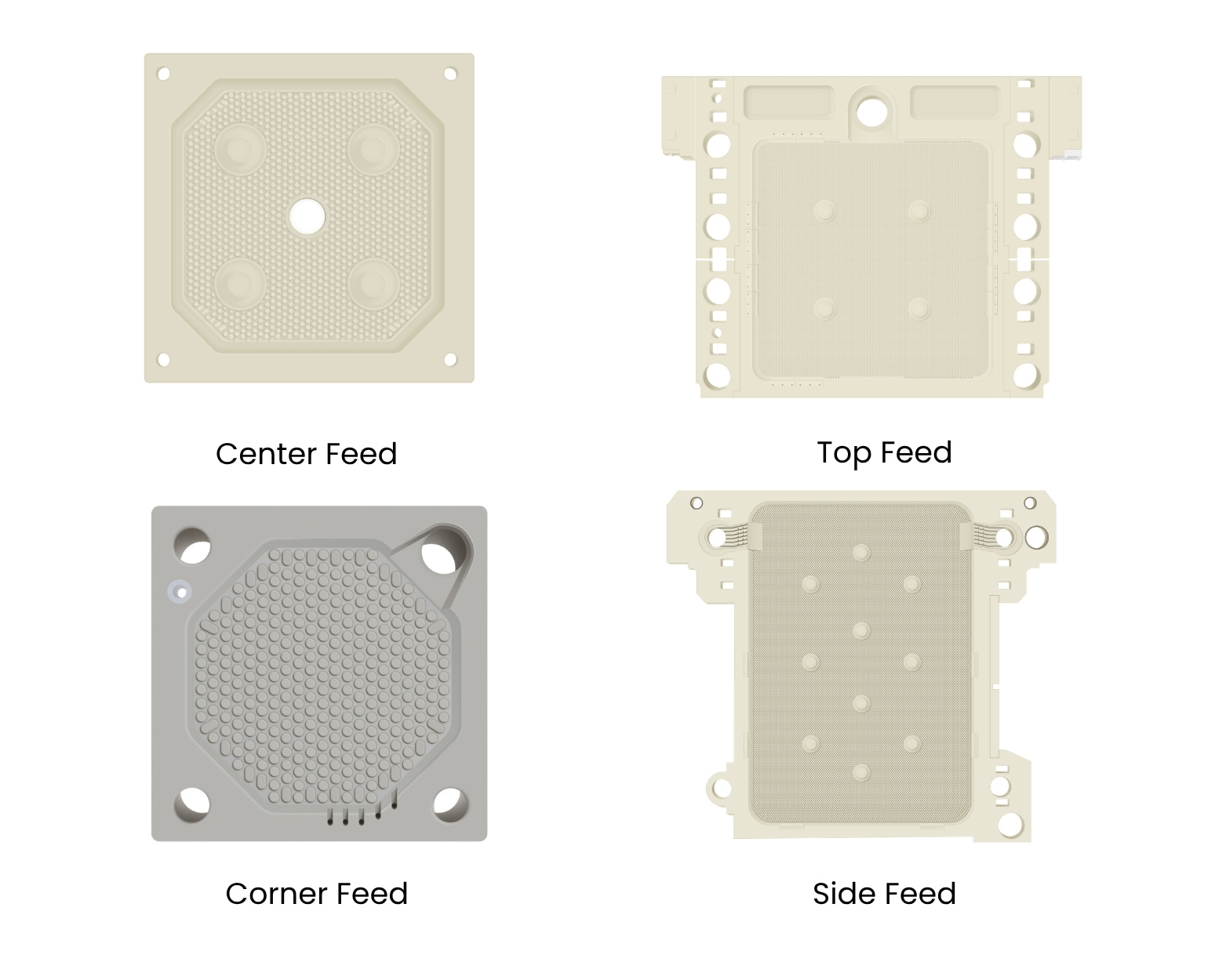
- Подача навозной жижи: Пульпа поступает в фильтр-пресс через центральное, угловое, верхнее или боковое отверстие подачи.
- Разделение твердой и жидкой фаз: Жидкость проходит через фильтровальную ткань, а взвешенные частицы остаются.
- Формирование торта: Твердые частицы постепенно накапливаются внутри камер и образуют фильтрационный осадок.
- Дренаж фильтрата: Отфильтрованная жидкость проходит через канавки, ребра, выступы или другие дренажные узоры на поверхности пластины, прежде чем покинуть пресс.
- Выгрузка торта: После завершения фильтрации пресс открывается и осадок фильтра удаляется между тарелками.
В мембранном фильтр-прессе после заполнения камер может происходить дополнительный этап отжима. Гибкие диафрагмы расширяются и механически сжимают осадок для удаления дополнительной жидкости.
Это означает, что фильтровальная пластина выполняет несколько функций одновременно. Он образует камеру, поддерживает фильтровальную ткань, воспринимает гидравлические нагрузки, направляет шлам и фильтрат и помогает поддерживать уплотнение между соседними пластинами.
Для более широкого обзора доступных промышленных образцов вы можете изучить сайт LONGONE. плиты фильтр-пресса для различных применений разделения твердой и жидкой фаз.
Каковы основные типы фильтрующих пластин?
Фильтровальные пластины доступны в нескольких конструкциях, поскольку разные процессы фильтрации требуют разной толщины осадка, давления, уровня герметизации, целевых значений влажности и условий эксплуатации.
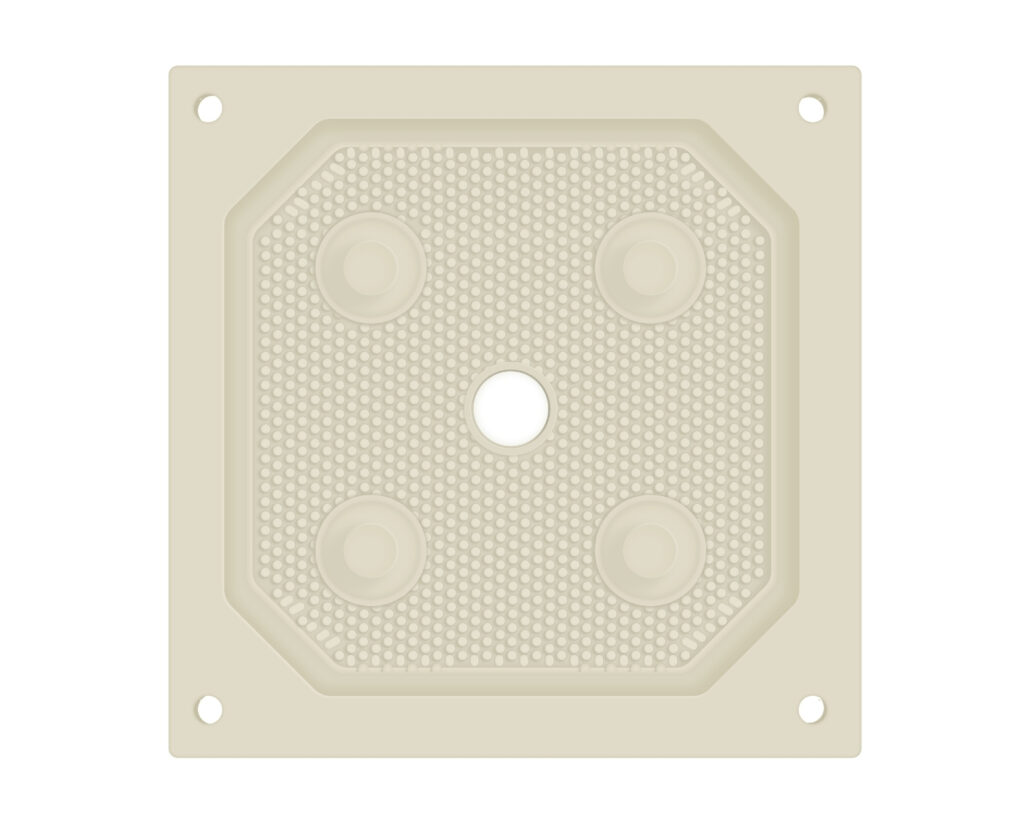
Камерные фильтрующие пластины
Плита с утопленной камерой является одной из наиболее широко используемых конструкций фильтрующих пластин в промышленной фильтрации.
Каждая сторона пластины содержит углубленную область. Когда две пластины прижаты друг к другу, эти углубления образуют фильтровальную камеру. Шлам попадает в камеру, жидкость проходит через ткань, а твердые частицы накапливаются до тех пор, пока камера не заполнится.
А камерная фильтрующая пластина Его часто выбирают для общего обезвоживания осадка и разделения твердой и жидкой фаз из-за его относительно простой конструкции, надежности и экономичных эксплуатационных расходов.
Типичные области применения включают в себя:
- Осадок городских сточных вод
- Промышленные сточные воды
- Горное дело и минеральные шламы
- Керамическая суспензия
- Химическая обработка
- Сточные воды для мытья камня и песка
Для многих заводов, где чрезвычайно низкая влажность кека не является основным требованием, камерные тарелки обеспечивают эффективный баланс между производительностью, техническим обслуживанием и инвестиционными затратами.
Мембранные фильтрующие пластины
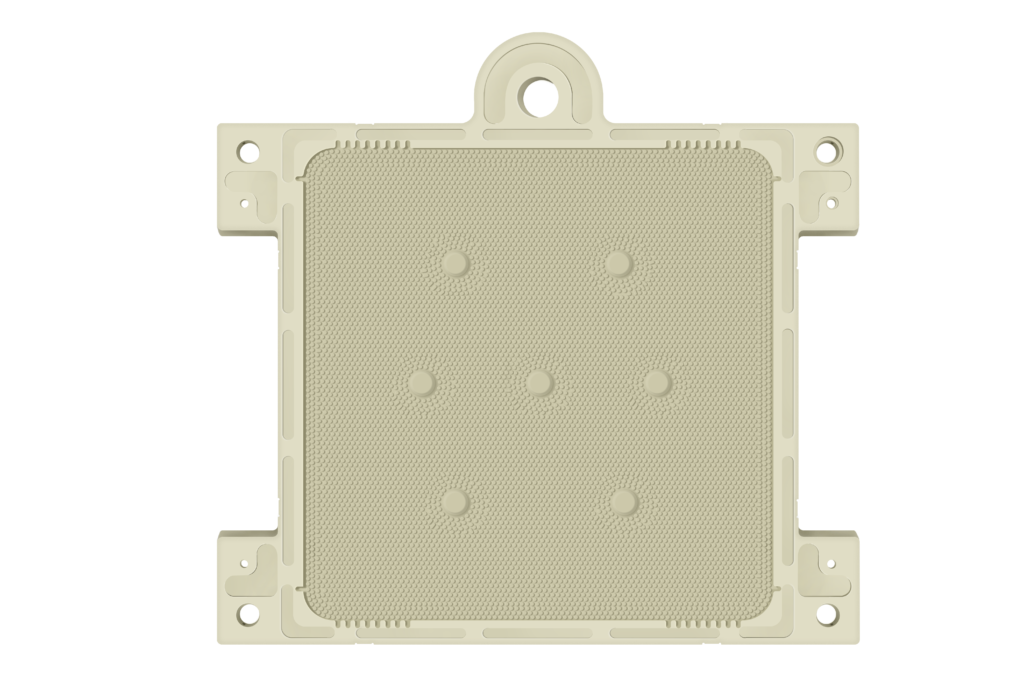
Мембранная фильтровальная пластина содержит гибкую диафрагму, которая может расширяться после начальной стадии фильтрации.
Как только камера фильтра заполнится осадком, за мембраной подается сжатый воздух или вода под давлением. Мембрана расширяется и оказывает механическое давление на осадок на фильтре, вытесняя дополнительную жидкость из твердых частиц.
Из-за этого вторичного этапа сжатия мембранный фильтрующий элемент может быть особенно полезен там, где требуется более низкая влажность кека, более короткие циклы фильтрации, лучшая эффективность промывки или более высокая производительность установки.
Мембранная фильтрация может обеспечить несколько технологических преимуществ:
- Снижение остаточной влажности кека
- Более равномерное сжатие торта
- Сокращение времени цикла фильтрации в подходящих приложениях.
- Улучшенная промывка торта
- Более равномерная выгрузка осадка
- Потенциальное снижение затрат на сушку или утилизацию после переработки.
Однако мембранные пластины, как правило, более сложны, чем стандартные камерные пластины, поэтому дополнительные характеристики следует оценивать с учетом технологических требований и стоимости жизненного цикла.
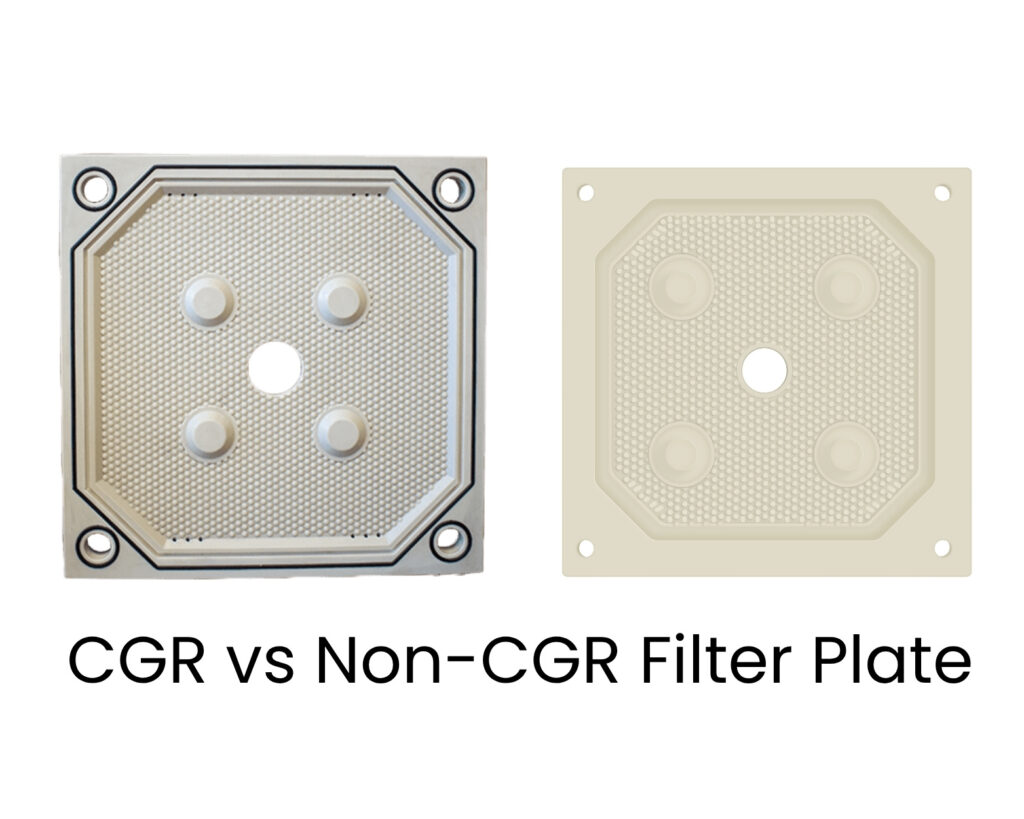
Фильтрующие пластины CGR
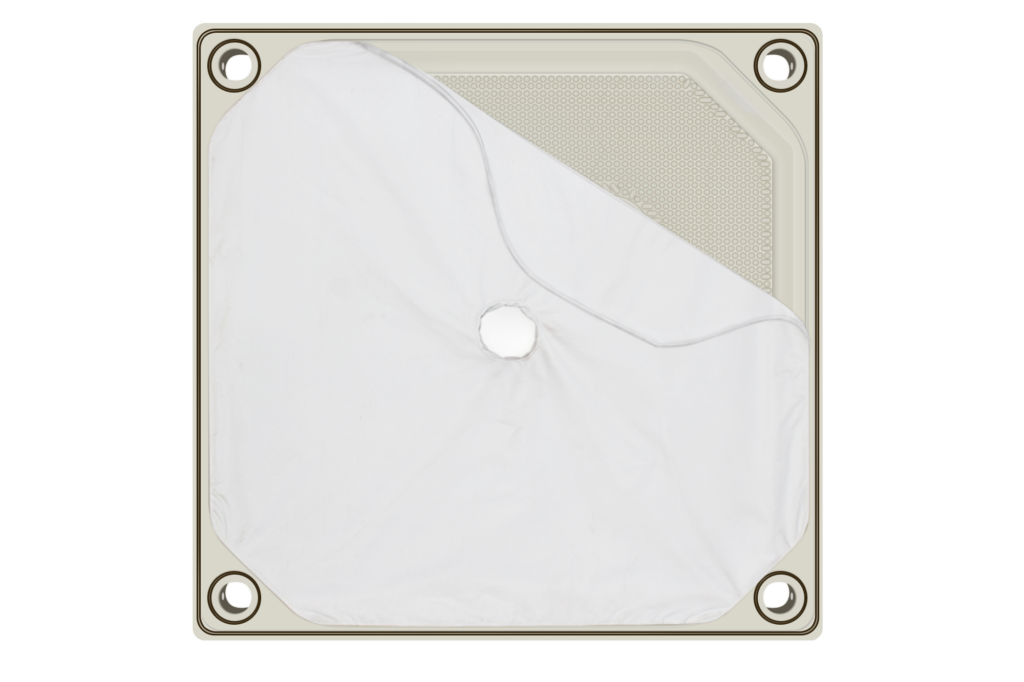
CGR означает Конопатиный, прокладочный, утопленный. В пластине CGR используется прокладка, установленная по периметру пластины для создания улучшенного уплотнения между соседними пластинами.
Эта конструкция особенно полезна, когда важен контроль утечек.
По сравнению с обычными пластинами без прокладок, Фильтрующие пластины CGR может помочь создать более чистые условия эксплуатации и уменьшить вероятность выхода суспензии из пакета пластин.
Их обычно рассматривают для приложений, включающих:
- Химические сточные воды
- Опасные или раздражающие суспензии
- Гальванические сточные воды
- Пигменты и красители
- Фармацевтические процессы
- Процессы, в которых удержание фильтрата особенно важно
Материал прокладки также должен быть совместим с раствором. К распространенным материалам прокладок относятся EPDM, NBR и FKM, в зависимости от химического воздействия и рабочей температуры.
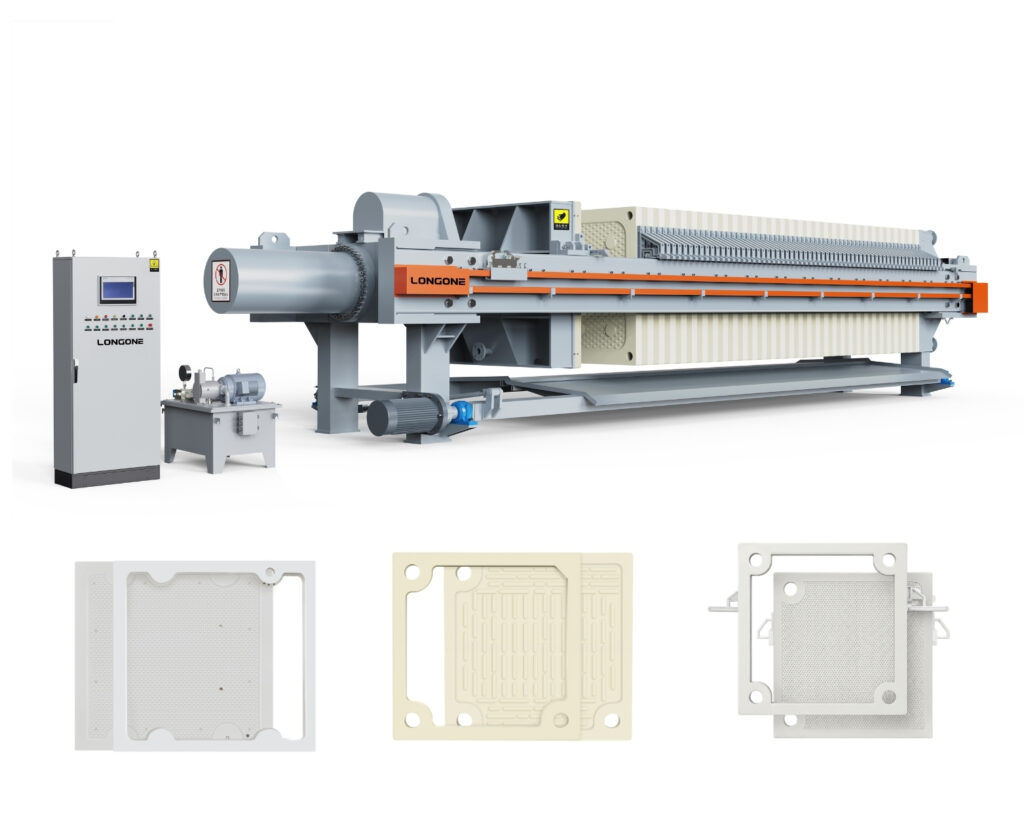
Пластинчатые и рамочные фильтрующие пластины
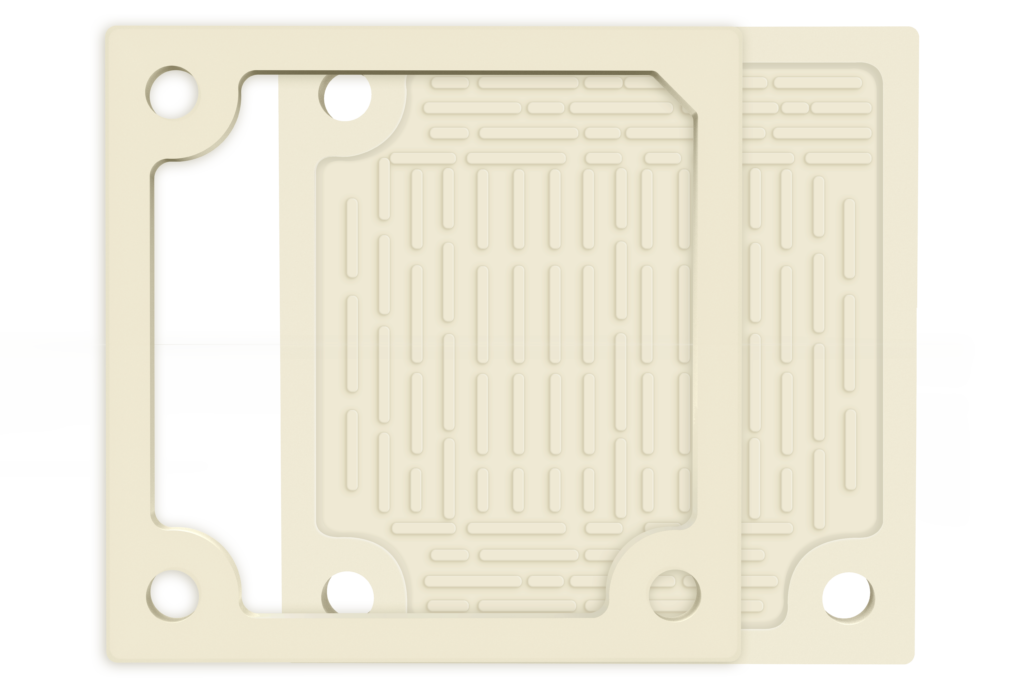
В пластинчато-рамочной фильтрации используются чередующиеся пластины и отдельные рамы, а не утопленные камеры, образованные непосредственно внутри двух соседних пластин.
Рама определяет камеру для осадка, а пластина обеспечивает дренажную поверхность.
Эта традиционная конфигурация остается полезной в некоторых приложениях, требующих гибкой толщины кека, специальной фильтрации, осветления, промывки кека или особых технологических конфигураций.
Вы можете узнать больше о структуре и доступных конфигурациях на сайте LONGONE. пластинчатая и рамочная фильтрующая пластина страница.
Из каких материалов изготовлены фильтрующие пластины?
Материал фильтрующих пластин должен выдерживать механическое давление, а также химические и температурные условия суспензии. Выбор материала, основанный только на цене, может привести к деформации пластины, химическому разложению, утечкам, растрескиванию или преждевременной замене.
Полипропиленовые фильтрующие пластины
Полипропилен, обычно сокращенно ПП, является одним из наиболее распространенных материалов, используемых для изготовления современных промышленных плит фильтр-прессов.
ПП сочетает в себе относительно небольшой вес с хорошей коррозионной стойкостью и подходит для многих применений в сточных водах, горнодобывающей, химической, пищевой и общепромышленной отраслях.
Его можно использовать для изготовления плит с утопленными камерами, мембранных плит, разборных плит и пластинчато-рамных конструкций.
LONGONE поставляет несколько конфигураций Фильтровальные пластины из ПП для стандартных систем фильтрации, а также проектов замены.
Полипропилен, армированный стекловолокном
Полипропилен, армированный стекловолокном, часто называемый GFPP, может использоваться, когда необходима большая жесткость, стабильность размеров или механическая прочность.
Точная пригодность зависит от давления, температуры, геометрии пластин, характеристик суспензии и конструкции оборудования.
Фильтрующие пластины из ПВДФ
ПВДФ может быть выбран для процессов, требующих более агрессивных химических условий или температур, выходящих за пределы практического диапазона стандартного полипропилена.
Поскольку ПВДФ значительно дороже, чем ПП, его обычно выбирают, когда его химические или термические свойства обеспечивают явное технологическое преимущество.
Металлические фильтрующие пластины
Нержавеющая сталь, чугун, алюминий и другие металлические материалы по-прежнему могут использоваться в некоторых специальных системах фильтрации.
Они могут обеспечить высокую механическую прочность или термостойкость, но могут потребовать большего веса, коррозии и более высоких производственных затрат.
Поэтому в большинстве современных промышленных фильтр-прессов широко используются полимерные пластины, особенно конструкции на основе полипропилена, где это позволяют условия процесса.
Как конструкция фильтрующей пластины влияет на эффективность фильтрации?
Одним из наиболее важных моментов при понимании того, что такое фильтрующие пластины, является то, что две пластины с одинаковыми внешними размерами не обязательно обеспечивают одинаковую производительность фильтрации.
Геометрия пластины может оказать существенное влияние на поведение всего цикла фильтрации.
Глубина камеры и толщина корки
Глубина углубления пластины определяет доступный объем камеры и влияет на толщину получаемой фильтрационной корки.
Более глубокая камера может удерживать больше твердых частиц за цикл, но более толстый осадок может потребовать больше времени для прохождения жидкости через твердые частицы. Более тонкий осадок может обезвоживаться быстрее, но обеспечивает меньшую емкость твердых частиц в камере.
Таким образом, оптимальная толщина кека зависит от проницаемости суспензии, содержания твердых частиц, желаемого времени цикла и давления фильтрации.
Конструкция дренажной поверхности
Приподнятые ребра, выступы, канавки или сетчатые структуры, видимые на фильтрующей пластине, не являются просто декоративными.
Они поддерживают фильтровальную ткань, создавая каналы, по которым фильтрат может течь к выпускным отверстиям.
Плохая геометрия дренажа может увеличить сопротивление потоку или создать неравномерную фильтрацию. Правильно спроектированная дренажная поверхность обеспечивает эффективное удаление фильтрата по всей эффективной площади фильтрации.
Положение подачи
Фильтровальные пластины могут иметь конфигурации с центральной подачей, угловой подачей, верхней подачей или боковой подачей.
Правильная конфигурация зависит от конструкции фильтр-пресса, технологических требований, свойств кека и существующей схемы трубопроводов.
Для сменных пластин положение подачи особенно важно. Даже если общие размеры пластины правильные, неправильное расположение питающих отверстий может сделать пластину несовместимой с существующим пакетом пластин.
Конструкция уплотнения
Фильтровальные пластины могут использовать системы уплотнений с прокладками или без прокладок.
Конструкции без прокладок просты и экономичны для многих применений общего назначения. Пластины с прокладками обеспечивают более прочную герметизацию, когда важна минимизация внешних утечек.
Правильное решение должно быть выбрано в соответствии с химическим составом суспензии, рабочим давлением, требованиями к чистоте и практикой технического обслуживания.
Размер пластины
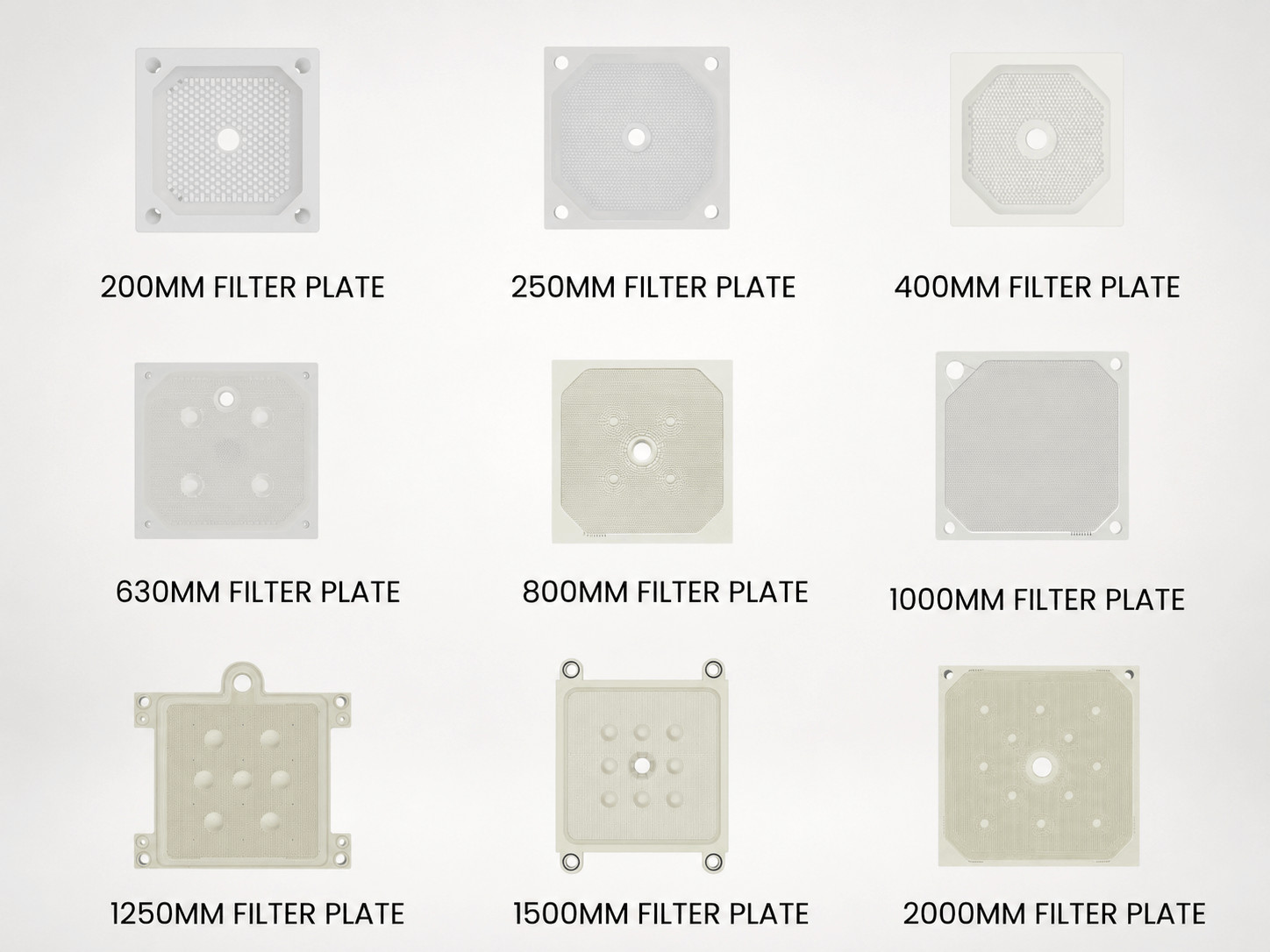
Фильтровальные пластины большего размера обеспечивают большую площадь фильтрации на пластину и могут использоваться для систем фильтрации большей производительности. Однако размер пластин должен соответствовать раме фильтр-пресса, гидравлической системе закрытия, механизму перемещения пластин и требуемой производительности фильтрации.
Промышленные плиты производятся в широком диапазоне размеров. Покупатели, ищущие замену, могут просмотреть товары LONGONE. размеры пластин фильтр-пресса для сравнения стандартных и индивидуальных размеров.
Совместимость фильтровальной ткани
Фильтровальная пластина не сможет работать должным образом без правильно подобранной фильтровальной ткани.
Проницаемость ткани, материал волокна, переплетение, обработка поверхности, способ крепления и размеры должны соответствовать конструкции суспензии и плиты.
Неправильный выбор ткани может привести к медленной фильтрации, помутнению фильтрата, чрезмерному засорению, затрудненному отделению осадка или преждевременному износу ткани, даже если сама фильтровальная пластина спроектирована правильно.
Как правильно выбрать фильтровальную пластину для вашего фильтр-пресса
Не существует универсально лучшей фильтрующей пластины. Правильная пластина — это та, которая соответствует процессу фильтрации, конструкции оборудования и целям эксплуатации.
Прежде чем выбрать фильтрующую пластину, учтите следующие факторы.
Характеристики навозной жижи
Начните с фильтруемого материала. Важная информация включает в себя:
- Твердая концентрация
- Распределение частиц по размерам
- рН
- Температура
- Вязкость
- Абразивность
- Химический состав
- Наличие масел, растворителей или агрессивных химикатов.
Эти параметры влияют на материал пластины, материал прокладки, выбор ткани, конфигурацию камеры и давление фильтрации.
Требуемая влажность осадка
Если основной целью является непосредственное обезвоживание осадка, может быть достаточно утопленной камерной пластины.
Если затраты на транспортировку, утилизацию, термическую сушку или восстановление продукта очень чувствительны к остаточному содержанию воды, мембранное отжима может принести большую экономическую выгоду.
Поэтому решение должно основываться на общей стоимости процесса, а не только на закупочной цене пластины.
Рабочее давление
Каждая фильтровальная пластина имеет определенный диапазон давления.
Работа с давлением, превышающим расчетное, может привести к деформации, проблемам с уплотнением, повреждению конструкции или небезопасной эксплуатации.
Корпус пластины, мембрана, каналы подачи, опорные втулки, система прокладок и усилие закрытия фильтр-пресса должны быть совместимы с предполагаемыми условиями эксплуатации.
Рабочая температура и химическая совместимость
Материал, который хорошо работает с одним раствором, может быстро испортиться в другом.
Поэтому корпус пластины и прокладку следует выбирать на основе химического состава и температуры, а не выбирать материалы независимо от процесса.
Время цикла и пропускная способность
Более дешевая пластина не обязательно является самым дешевым решением.
Если лучшая конфигурация тарелок сокращает время фильтрации, улучшает отделение осадка, минимизирует утечки или увеличивает ежедневную производительность, результирующая экономия на эксплуатации может превысить первоначальную разницу в стоимости оборудования.
Вот почему при выборе фильтрующей пластины следует учитывать весь цикл фильтрации, а не только цену покупки.
| Тип фильтрующей пластины | Основное преимущество | Типичное рассмотрение | Общие приложения |
|---|---|---|---|
| Камерная пластина | Простой, надежный, экономичный | Стандартная фильтрация под давлением | Сточные воды, горнодобывающая промышленность, общепромышленный шлам |
| Мембранная пластина | Снижение влажности кека и дополнительное обжатие | Требуются более высокие первоначальные инвестиции и система сжатия | Горнодобывающая промышленность, химическая промышленность, обезвоживание осадка, регенерация продуктов |
| Пластина CGR | Улучшенная герметизация и контроль утечек | Совместимость прокладок и обслуживание | Химическая, фармацевтическая, гальваническая промышленность, опасные суспензии |
| Плита и рама | Гибкая конфигурация камеры и специальной фильтрации | Более традиционное расположение пакетов пластин. | Тонкая фильтрация и специальная обработка |
Обслуживание, замена и срок службы фильтрующей пластины
Фильтровальные пластины неоднократно работают под воздействием механического давления, химического воздействия, изменения температуры, загрузки шлама и кека. Правильный осмотр может продлить срок службы пластин и уменьшить количество неожиданных остановов.
Операторы должны регулярно проверять:
- Трещины вокруг отверстий подачи или фильтрата.
- Деформация или деформация
- Повреждения уплотнительных поверхностей
- Заблокированные дренажные каналы
- Изношенные или химически поврежденные прокладки.
- Поврежденные ручки или опорные проушины
- Износ или утечка мембраны
- Неравномерное формирование торта
- Постоянная утечка между пластинами.
Фильтровальные пластины также следует тщательно очищать. Затвердевшие твердые частицы в дренажных канавках или зонах уплотнения могут ограничить поток фильтрата и помешать правильному закрытию пакета пластин.
Какая информация необходима для замены фильтрующей пластины?
Проекты замены требуют большего, чем просто знание того, что существующая пластина представляет собой, например, «ПП-плиту 1000 мм».
Прежде чем заказывать сменные пластины фильтр-пресса, соберите как можно больше следующей информации:
- Длина и ширина пластины
- Общая толщина пластины
- Глубина камеры
- Толщина торта
- Центральное, угловое, верхнее или боковое положение подачи
- Диаметр питающего отверстия
- Положение и диаметр выхода фильтрата
- Размеры ручки или опорной проушины
- Схема дренажной поверхности
- Размеры канавки под прокладку
- Материал пластины
- Рабочее давление
- Рабочая температура
- Производитель и модель фильтр-пресса
Рисунок чрезвычайно полезен. Когда чертежи недоступны, измерения и четкие фотографии существующей пластины часто могут предоставить ценную информацию для инженерной оценки.
Это особенно важно для старых печатных машин, импортного оборудования, моделей, снятых с производства, или пакетов пластин, где оригинальный производитель больше не доступен.
LONGONE предоставляет изготовление фильтрующих пластин по индивидуальному заказу для стандартных и нестандартных требований к замене, включая индивидуальные размеры, положения подачи, дренажные поверхности, уплотнительные устройства и конфигурации ручек.
В проектах замены точность размеров следует рассматривать как проблему производительности, а не просто как деталь производства. Пластина с неправильной толщиной, расположением портов, геометрией уплотнения или положением ручки может привести к плохому закрытию, утечке, неравномерному образованию осадка или несовместимости с системой перемещения пластины.
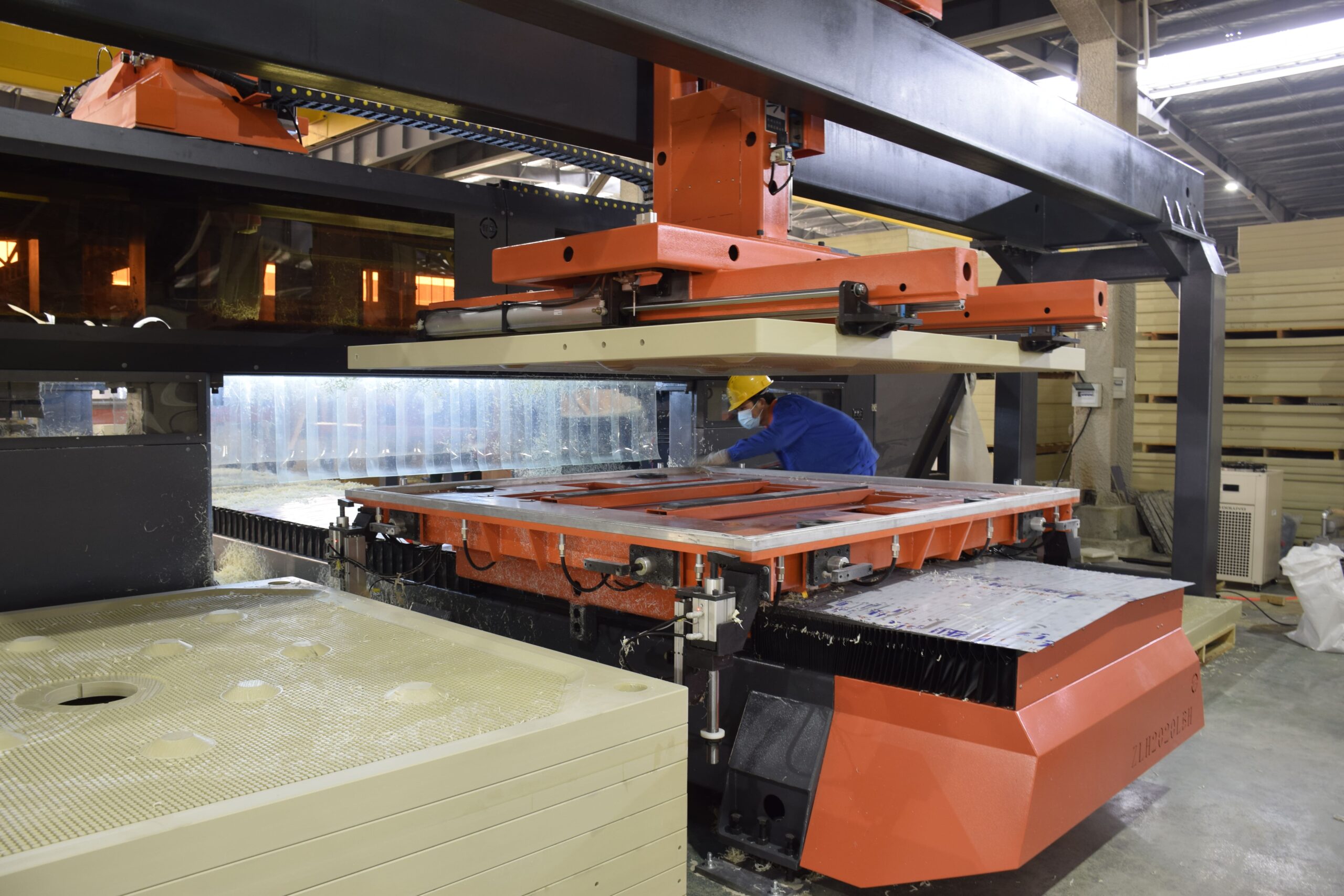
Заключение
Так, что такое фильтрующие пластины?
Это нечто большее, чем просто плоские опоры для фильтровальной ткани. Фильтровальные пластины образуют фильтрационные камеры внутри фильтр-пресса, поддерживают ткань, выдерживают рабочее давление, распределяют шлам, обеспечивают пути дренажа фильтрата, поддерживают уплотняющие поверхности и помогают контролировать образование и разгрузку фильтрационного осадка.
Правильная конструкция тарелки может влиять на влажность осадка, время цикла фильтрации, производительность, утечку, качество фильтрата, частоту технического обслуживания и надежность оборудования.
Камерные фильтрующие пластины представляют собой практичное и экономичное решение для многих общих задач фильтрации. Мембранные пластины добавляют механическое сжатие, когда требуется снизить влажность кека или улучшить производительность цикла. Пластины CGR обеспечивают повышенную герметизацию для чувствительных к утечкам применений, в то время как конфигурации пластин и рамы остаются полезными для некоторых специальных процессов.
Выбор материала не менее важен. Полипропилен широко используется благодаря сочетанию химической стойкости, прочности, веса и стоимости, в то время как GFPP, PVDF, резиновые мембранные материалы и металлические пластины могут рассматриваться для более сложных условий процесса.
В конечном счете, лучшая фильтровальная пластина – это не просто самый прочный или самый дорогой вариант. Это пластина, материал которой, геометрия камеры, конструкция дренажа, конфигурация подачи, метод уплотнения, номинальное давление и размеры правильно подобраны к суспензии и фильтр-прессу.
Как промышленный производитель фильтрующих пластинLONGONE производит камерные, мембранные, CGR, пластинчатые и рамные фильтрующие пластины из полипропилена, а также фильтрующие пластины по индивидуальному заказу для нового оборудования и замены. Указав состояние суспензии, размеры пластин, рабочее давление, температуру и существующую модель фильтр-пресса, вы сможете легче определить правильную конфигурацию для надежной долгосрочной фильтрации.