
Struggling with high moisture content in your filter cakes, leading to costly disposal and inefficient processing? This excess water inflates transportation expenses and can compromise the quality of your final product. The solution is often found in upgrading your filtration technology with a plaque filtrante à membrane, a component designed to mechanically squeeze out that last bit of stubborn liquid for superior dewatering performance.
Membrane filter plates are types of filter press plate featuring a flexible, inflatable surface (the membrane) welded to a rigid core. After the initial filtration cycle, this membrane is pressurized with air or water, causing it to expand and physically compress the filter cake, forcing out additional liquid that feed pressure alone cannot remove.
This simple yet powerful “squeeze” function is what sets membrane plates apart. But to truly appreciate their impact on an industrial process, it’s crucial to understand how they work, where they excel, and what to look for when selecting them. Let’s dive deeper into this essential filtration technology.
What Is a Membrane Filter Plate, Exactly?
It’s easy to get confused by the different types of filter plates available. You might see terms like “chamber,” “recessed,” and “membrane” used, but what truly distinguishes a plaque filtrante à membrane from its conventional counterparts?
A membrane plate is essentially a two-part construction: a solid polypropylene core that provides structural integrity, and a flexible diaphragm, typically made of Thermoplastic Elastomer (TPE) or a specialized polypropylene, that is permanently welded to the core. This diaphragm is the active component that does the squeezing.
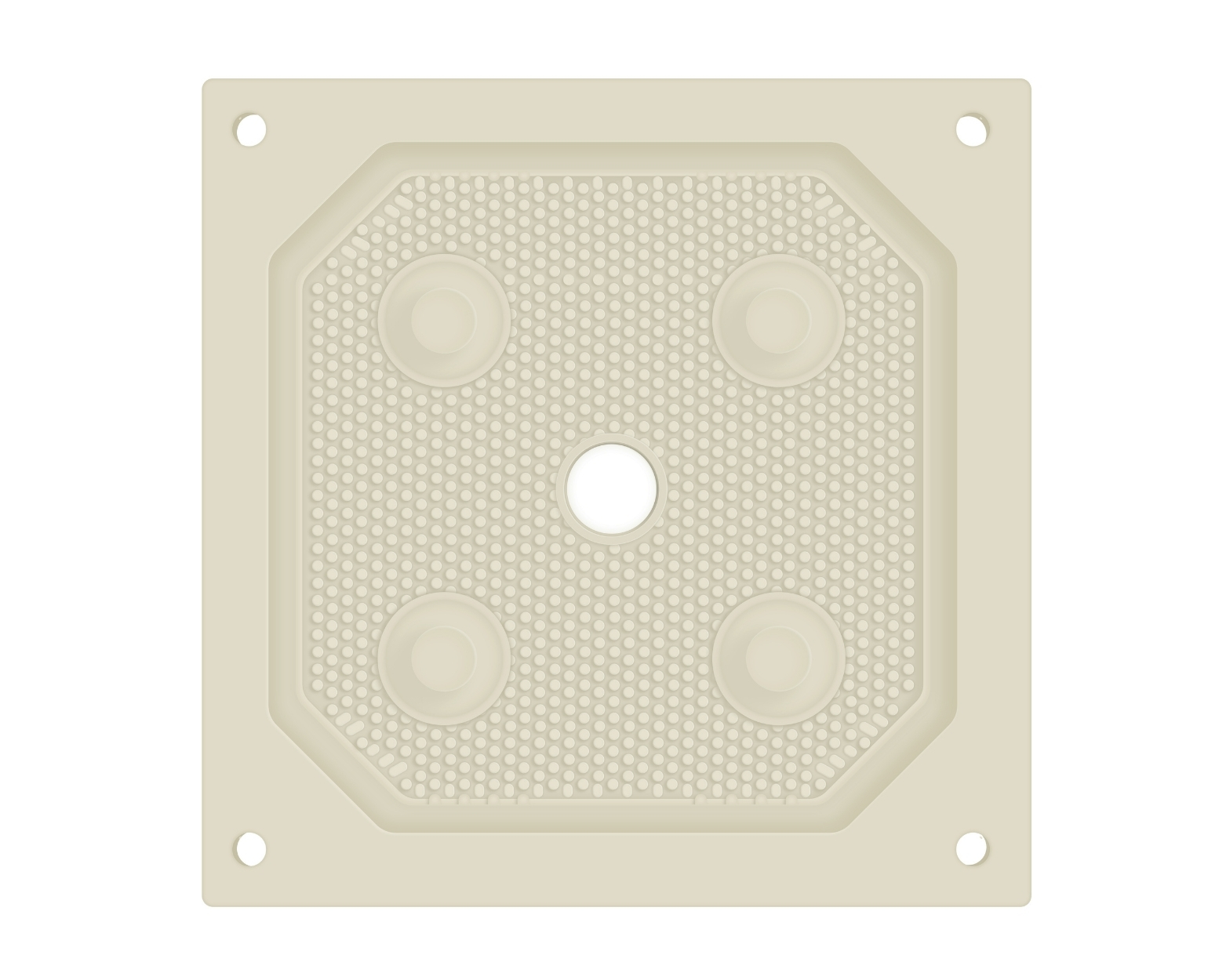
The fundamental difference lies in the dewatering mechanism. A standard chamber filter plate relies entirely on the pump’s feed pressure to force liquid through the filter cloth, leaving a filter cake behind. The process stops when the chamber is full and the flow rate drops. A plaque filtrante à membrane, however, adds a second, mechanical dewatering stage.
Chamber vs. Membrane Plates
To make the distinction clear, here’s a direct comparison. I’ve seen countless operations transform their efficiency by making the switch, and the data speaks for itself.
| Feature | Standard Chamber Plate | Plaque filtrante à membrane |
|---|---|---|
| Dewatering Mechanism | Slurry feed pressure only | Slurry feed pressure + mechanical squeeze |
| Final Cake Moisture | Higher | Significantly lower (often 10-50% reduction) |
| Filtration Cycle Time | Longer | Shorter (up to 50% reduction) |
| Cake Washing | Less efficient; can result in channeling | Highly efficient due to cake compression |
| Operational Flexibility | Requires full chamber for good cake | Can handle variable solids content |
| Initial Investment | Lower | Higher |
| Operating Costs | Higher (disposal, energy, time) | Lower (reduced opex) |
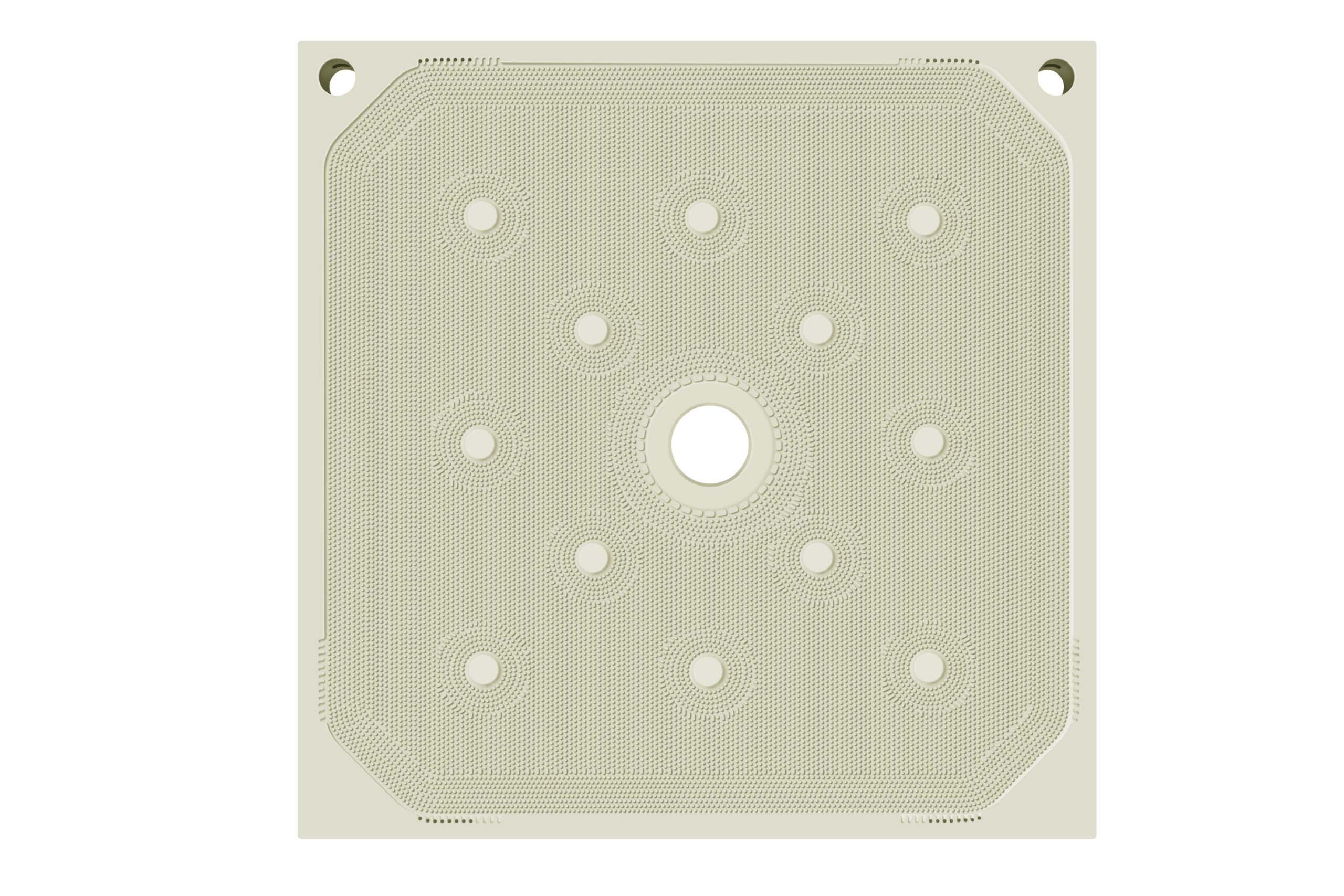
The Concept of “Variable Volume” Filtration
One of the most powerful features of a system with a plaque filtrante à membrane is its ability to perform “variable volume” filtration. A standard filter press has a fixed chamber volume. If your slurry has a low solids concentration, you might not form a firm, dense cake, resulting in poor dewatering and a sloppy discharge.
Membrane plates solve this. Because the membrane can expand to fill the void, the press doesn’t need to be 100% full of solids to achieve a solid, well-dewatered cake. The filtration stage can be stopped at the optimal point, and the squeeze cycle takes care of the rest. This flexibility is invaluable for plants dealing with inconsistent feed streams, a common challenge in mining and wastewater treatment.
How Does a Membrane Filter Plate Achieve Drier Cakes?
The concept of a “squeeze” sounds straightforward, but how does it translate into a real-world industrial process? Understanding the sequence is key to appreciating why a plaque filtrante à membrane is so effective at producing exceptionally dry filter cakes.
The magic happens in a precisely controlled, multi-stage cycle. By introducing a mechanical compression step after the initial filtration phase, the system physically wrings out the cake, achieving a level of dewatering that is impossible with pump pressure alone.
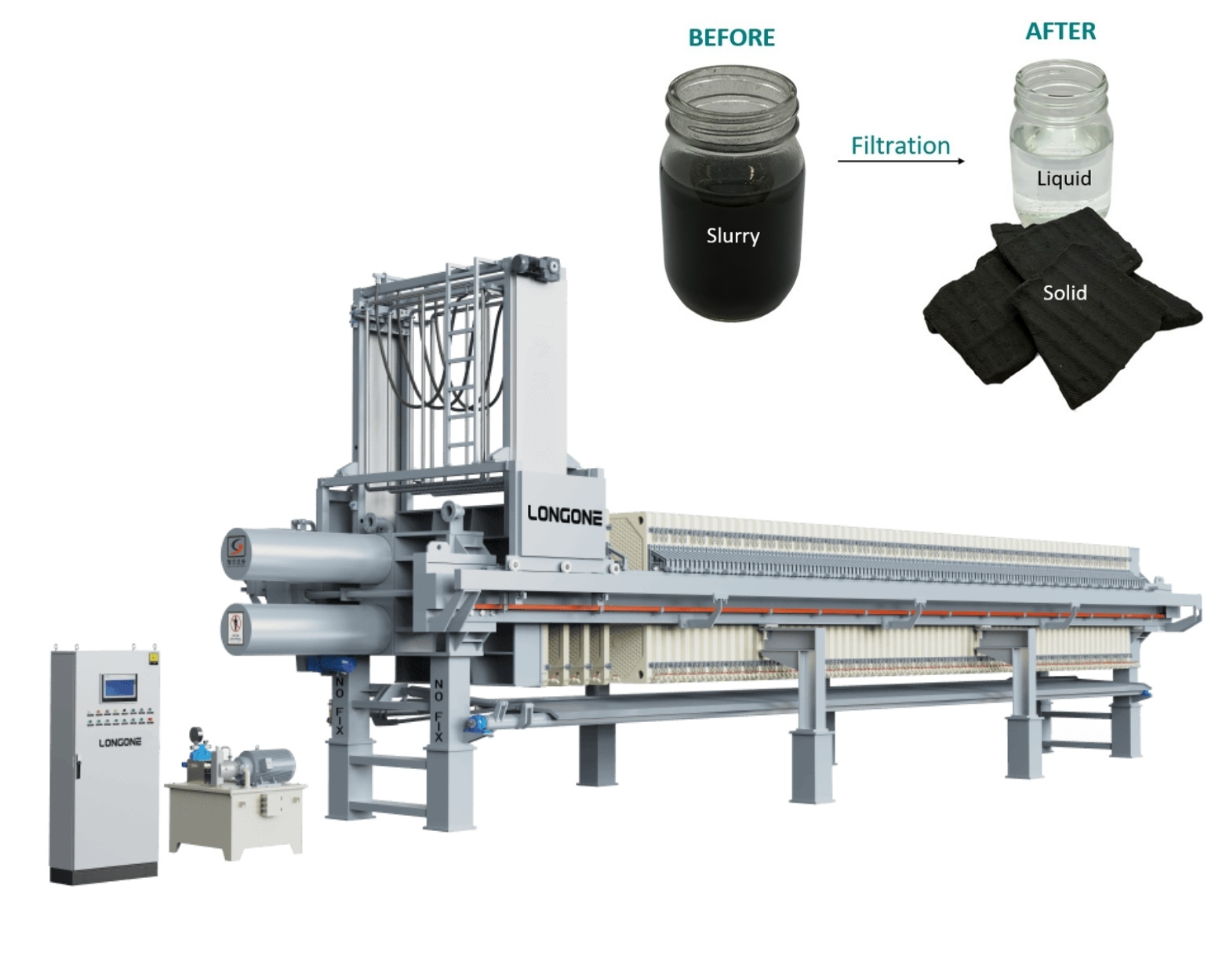
The complete filtration cycle using membrane plates is a symphony of hydraulic pressure, pump pressure, and squeeze pressure. At our facility, we often simulate customer processes to fine-tune these parameters, as optimizing the cycle is where the real gains are found.
The Filtration Cycle Step-by-Step
- Closing & Sealing: The hydraulic ram closes the filter press, pressing the plate pack together to form a tight seal between each plate’s gasketed edges.
- Filtration (Filling): Slurry is pumped into the chambers between the plates. Liquid (filtrate) passes through the filter cloth and exits through drainage ports, while solid particles build up on the cloth surface, forming the filter cake.
- Membrane Inflation (Squeezing): This is the critical stage for a plaque filtrante à membrane. Once the slurry feed pump stops (often triggered by a low flow rate or a preset time), a squeeze medium—typically compressed air or water—is pumped into the space behind the flexible membranes. The membranes inflate, uniformly compressing the filter cake from both sides at pressures often exceeding the feed pressure (e.g., up to 1.6 MPa or 232 PSI). This mechanical force expels the remaining liquid trapped within the cake’s pores.
- Air Blow / Cake Washing (Optional): Before or after the squeeze, air can be blown through the cake for further drying. If cake washing is required to remove impurities, it is performed before the final squeeze. The compression from the membrane creates a more uniform cake density, which dramatically improves washing efficiency and reduces water consumption.
- Membrane Deflation: The squeeze pressure is released, and the membranes retract to their original position.
- Plate Opening & Cake Discharge: The hydraulic ram retracts, opening the plate pack. The compressed, dry, and solid cakes fall away cleanly from the filter cloths, ready for disposal or further processing.
The choice of squeeze medium is also a key consideration. Compressed air is readily available in most plants, but pressurized water provides a more even, non-compressible force, which can be advantageous for certain delicate or hard-to-press materials.
What Are the Main Advantages of a Membrane Filter Plate System?
The higher initial cost of a plaque filtrante à membrane system can give procurement teams pause. Is the investment truly justified? From over two decades of experience in manufacturing and deploying these systems, I can confidently say that for the right application, the return on investment is not just positive—it’s transformative.
The primary advantages are significantly lower cake moisture, shorter filtration cycle times, improved cake washing efficiency, and increased production capacity. These benefits combine to deliver a powerful reduction in overall operating costs and a boost to your bottom line.
Let’s break down these advantages into tangible financial and operational impacts. When evaluating a capital expenditure, it’s these real-world numbers that build the business case.
Reduced Cake Moisture Content
This is the number one reason industries adopt membrane technology. Lower moisture has a cascade of positive effects:
- Lower Disposal Costs: If your cake is a waste product (like wastewater sludge or mine tailings), you pay for disposal by weight. Reducing water content directly reduces this cost. For example, dewatering 10 metric tons of sludge from 70% moisture (3 tons of solids, 7 tons of water) to 50% moisture (3 tons of solids, 3 tons of water) cuts the disposal weight by 4 tons, or 40%.
- Reduced Transportation Costs: Lighter cakes are cheaper to haul away.
- Lower Energy Costs for Drying: If the cake is an intermediate product that requires thermal drying, removing water mechanically is vastly more energy-efficient than evaporating it. Every percentage point of moisture removed by the membrane press saves significant energy downstream.
- Higher Product Value: For mineral concentrates, a drier product is more valuable and cheaper to ship.
Shorter Cycle Times and Increased Throughput
A conventional press cycle is finished only when the chambers are completely packed with solids. With a plaque filtrante à membrane, the filtration phase can be stopped much earlier, when the chamber is only 70-80% full. The squeeze cycle then completes the dewatering process in a fraction of the time. In my experience, this can shorten the total cycle time by 30-50%. For a plant running three shifts, this translates directly to more batches per day and a substantial increase in overall plant throughput without needing a larger press.
Enhanced Cake Washing Efficiency
If you need to wash the filter cake to remove soluble impurities, membranes offer a huge advantage. Squeezing the cake before the wash cycle creates a uniform, compact mass. When the wash liquid is introduced, it flows evenly through the cake in a “plug flow,” displacing impurities effectively. This results in:
- Higher product purity.
- Lower wash water consumption.
- Shorter wash times.
This is especially critical in chemical and pharmaceutical applications where product purity is paramount.
What Material and Design Factors Matter for a Membrane Filter Plate?
Not all membrane plates are created equal. The performance and longevity of a plaque filtrante à membrane depend heavily on its material composition and design. Choosing the wrong specification can lead to premature failure, process downtime, and poor filtration results, turning a planned investment into a costly problem.
The key factors to evaluate are the core plate material (most often polypropylene), the membrane material (TPE or a specialized PP blend), the operating temperature and pressure ratings, and its chemical compatibility with your specific slurry. A thorough evaluation of these elements is a critical step in the procurement process.
As a manufacturer, we live and breathe these details. A plate that works perfectly for a mining operation might fail quickly in a high-temperature chemical plant. Here’s what procurement and engineering teams should scrutinize.
Plate and Membrane Materials
- Polypropylene (PP): This is the workhorse material for most filter plates due to its excellent balance of chemical resistance, mechanical strength, and cost-effectiveness. However, the quality of the PP is crucial. We insist on using 100% virgin polypropylene. Recycled or low-grade PP can contain impurities that lead to brittleness and a shorter lifespan, especially under high pressure and temperature.
- Thermoplastic Elastomer (TPE): This rubber-like polymer is often used for the flexible membrane itself. It’s chosen for its extreme flexibility and fatigue resistance, allowing it to withstand thousands of inflation/deflation cycles without cracking. The TPE membrane is typically heat-welded onto the PP core plate.
Design Features to Evaluate
- Welding Technology: The bond between the rigid PP core and the flexible TPE membrane is the most critical point of potential failure. Look for suppliers who use advanced, automated heat-welding techniques. At LONGONE, our proprietary process creates a seamless, molecular bond that is stronger than the materials themselves, eliminating the risk of delamination even under high squeeze pressures.
- Feed Port Design: The location of the feed port (center feed vs. corner feed) affects how the cake builds up in the chamber. The choice depends on the slurry characteristics and is an important detail to discuss with the manufacturer’s engineering team.
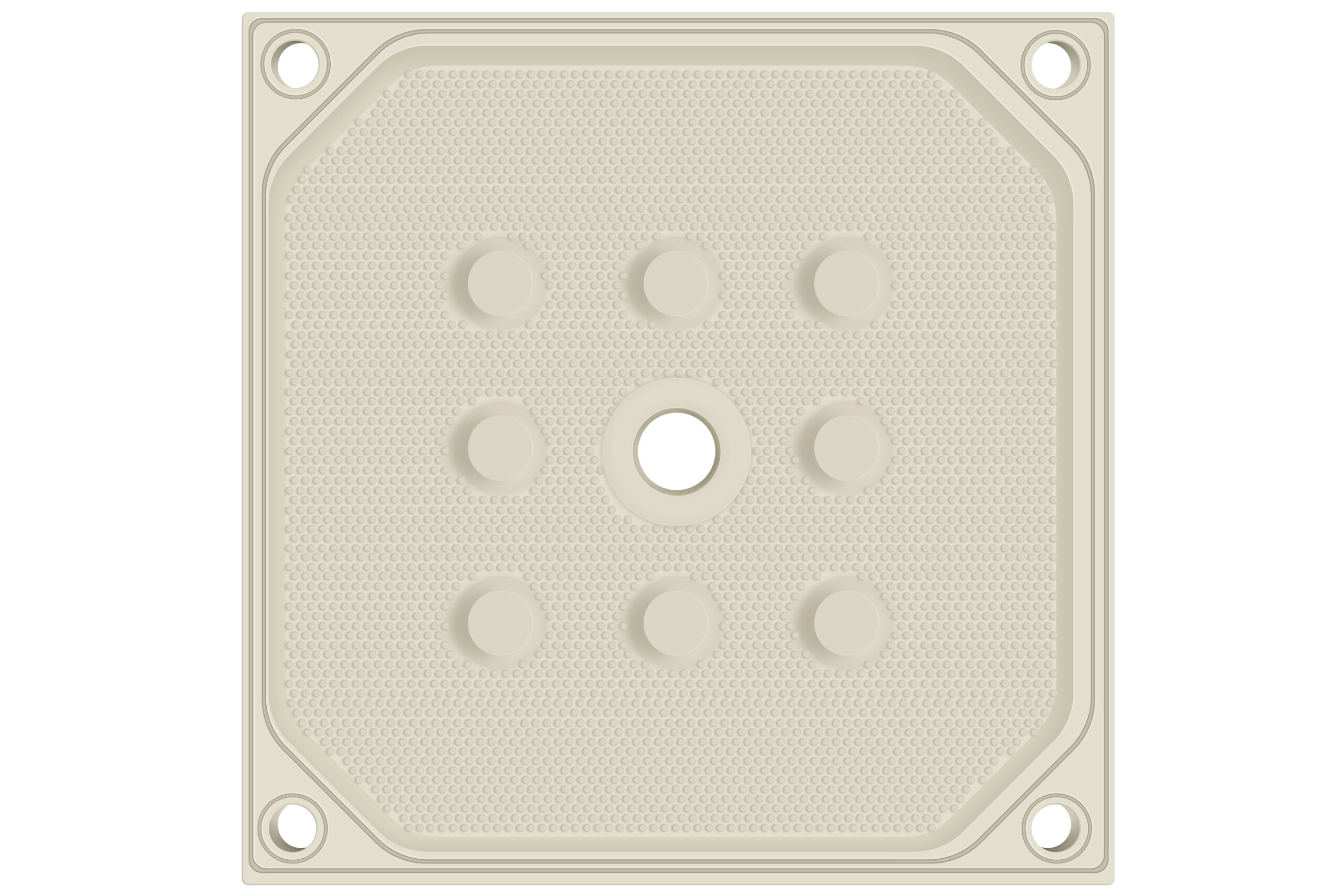
- Drainage Surface: The pattern of “pips” or grooves on the plate surface under the filter cloth is engineered to provide maximum support for the cloth while creating clear channels for filtrate to drain away quickly. A poorly designed drainage surface can slow down filtration and lead to cloth blinding.
Matching the Plate to the Application
Before issuing a purchase order, it’s essential to provide the supplier with a complete process profile.
- Temperature and Pressure: Standard PP plates are typically rated for up to 80°C (176°F) and squeeze pressures of 1.6 MPa (232 PSI). Applications involving higher temperatures or pressures require special materials and reinforced plate designs.
- Chemical Compatibility: You must verify that the plate materials are compatible with your slurry. Provide the manufacturer with a detailed chemical analysis, including pH and the presence of any solvents or oxidizing agents. A good supplier will be able to provide extensive chemical resistance charts and advise on the right material choice. Certifications and documentation should always be requested and verified by the buyer.
Where Are Membrane Filter Plates Most Commonly Used?
Wondering if this advanced filtration technology is a fit for your specific industry? While the principles of solid-liquid separation are universal, the economic and operational drivers for adopting the plaque filtrante à membrane are strongest in certain key sectors.
They are widely used in industries that demand either exceptionally dry solid cakes or extremely high operational efficiency. The most common applications include mining and mineral processing, municipal and industrial wastewater treatment, chemical manufacturing, and the food and beverage industry.
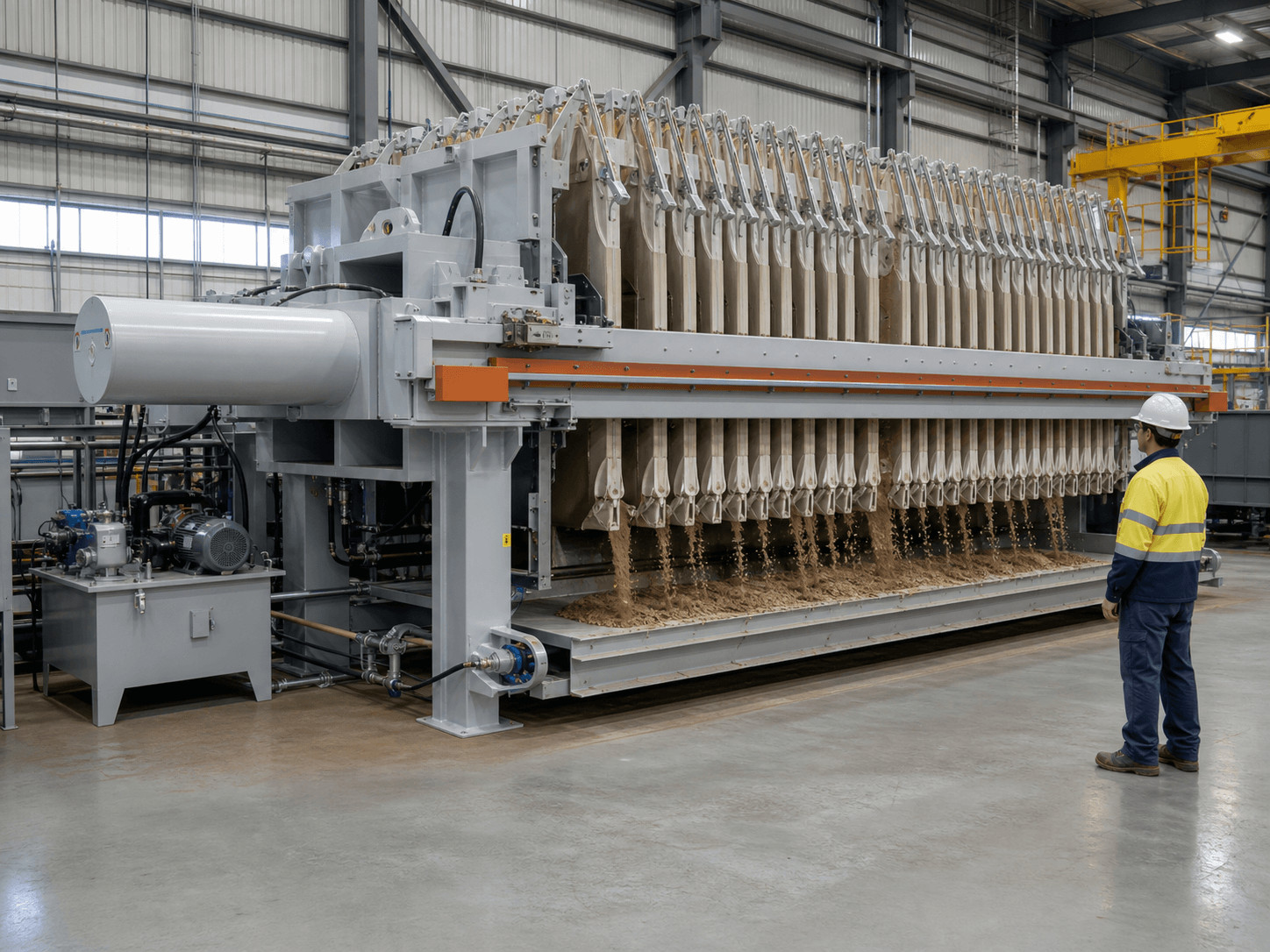
The versatility of membrane filtration is one of its greatest strengths. Here’s a look at how different industries leverage this technology to solve specific challenges.
- Mining & Mineral Concentrates: In this sector, the goal is often twofold: recover valuable water for reuse and produce a dry, stackable tailings product to minimize environmental impact and storage footprint. For mineral concentrates (like copper, zinc, or gold), a plaque filtrante à membrane produces a final product with very low moisture, reducing shipping costs and eliminating the need for expensive thermal dryers.
- Wastewater Treatment (Sludge Dewatering): This is one of the largest applications. Municipal and industrial wastewater plants generate vast quantities of sludge. By using membrane presses to dewater this sludge, they can reduce its volume by over 75%. This drastically cuts the costs associated with transporting and disposing of the sludge in landfills or incinerators, often saving a facility millions of dollars per year.
- Chemical Processing: In the production of pigments, dyes, catalysts, and specialty chemicals, both product purity and dryness are critical. Membrane plates allow for highly efficient cake washing to remove impurities, followed by a final squeeze to produce a dry, easy-to-handle product. The shorter cycle times also increase plant throughput for high-volume chemical production.
- Food, Beverage & Pharmaceuticals: In these industries, hygiene and product quality are paramount. Applications include dewatering sugar beet pulp, clarifying fruit juices, recovering yeast, and purifying active pharmaceutical ingredients (APIs). Membrane presses used here may require food-grade materials and specific design features for clean-in-place (CIP) capabilities. Buyers in this space must ensure the supplier can provide the necessary material certifications and documentation.
In all these cases, the decision to use a plaque filtrante à membrane comes down to a clear-eyed analysis of the total cost of ownership. The upfront investment is paid back through lower operating costs, higher throughput, and a better final product.
Frequently Asked Questions
What’s the difference between a membrane plate and a CGR plate?
CGR stands for “Caulked, Gasketed, and Recessed,” which describes the sealing mechanism of a filter plate. A membrane plate refers to its dewatering function. The two are not mutually exclusive; in fact, most modern membrane filter plates are also CGR plates to ensure a drip-free seal at high pressures.
How long does a membrane filter plate last?
The lifespan of a plaque filtrante à membrane depends heavily on the application, operating pressure, temperature, chemical exposure, and operational care. A well-maintained plate in a standard application can last for many years and thousands of cycles. At LONGONE, our plates are made from high-grade virgin polypropylene and are backed by a 12-month warranty.
Can I retrofit my existing filter press with membrane plates?
Often, yes, but it requires a careful evaluation by a qualified engineer. The press frame must be robust enough to handle the additional force from the squeeze pressure. You will also need to add a system to supply the squeeze medium (air or water), including a pump, piping, and controls.
What pressure is used to squeeze the membrane?
Squeeze pressure is application-dependent but is typically set higher than the filtration feed pressure. Common squeeze pressures range from 1.0 to 1.6 MPa (145 to 232 PSI), though high-pressure systems can go up to 6.0 MPa for very difficult-to-dewater materials. The plate’s pressure rating must always be respected.
Conclusion
To summarize, the plaque filtrante à membrane represents a significant technological leap over conventional chamber plates. By incorporating a mechanical squeeze stage, it delivers tangible benefits that directly impact your operational efficiency and profitability. Key takeaways include drastically lower filter cake moisture, which reduces disposal and energy costs; shorter filtration cycles that increase plant throughput; and enhanced cake washing for higher product purity. While the initial investment is higher, the reduction in long-term operating costs provides a compelling return. The versatility of the plaque filtrante à membrane makes it an indispensable tool for modern solid-liquid separation across a wide range of industries.
If you’re evaluating filtration solutions and want to see how a custom-engineered plaque filtrante à membrane system could optimize your process, our team at LONGONE is here to help. Contact us to discuss your specific application and requirements.